Central Hall, National Railway Museum
York, UK
2020-Ongoing
Central Hall is an iconic centrepiece building for the National Railway Museum in York. The project provides compelling welcome and arrival spaces that connect, rationalise and integrate the museum estate for the first time in its history. The project aims to put sustainability at the forefront of design, through careful construction and operation of the new building. The new spaces consist of an 800 sqm exhibition gallery, the museum’s main shop and café, and improved visitor facilities.


SITE
The National Railway Museum is located within the part of York that has produced the highest concentration of pre-Roman archaeological finds. The Roman settlement of Eboracum was one of the most important in the country; the construction of the new Station and associated works in the 1870s revealed that this area west of the walled city was the site of Eboracum’s largest cemetery. After the Romans and before the arrival of railways in the nineteenth century, the future site of the NRM and its context was cultivated fields and meadows. The buildings that exist on the site now where built in the 1970s by the North Eastern Railway (NER) as part of a major expansion of their operations on a largely greenfield site in York.
-
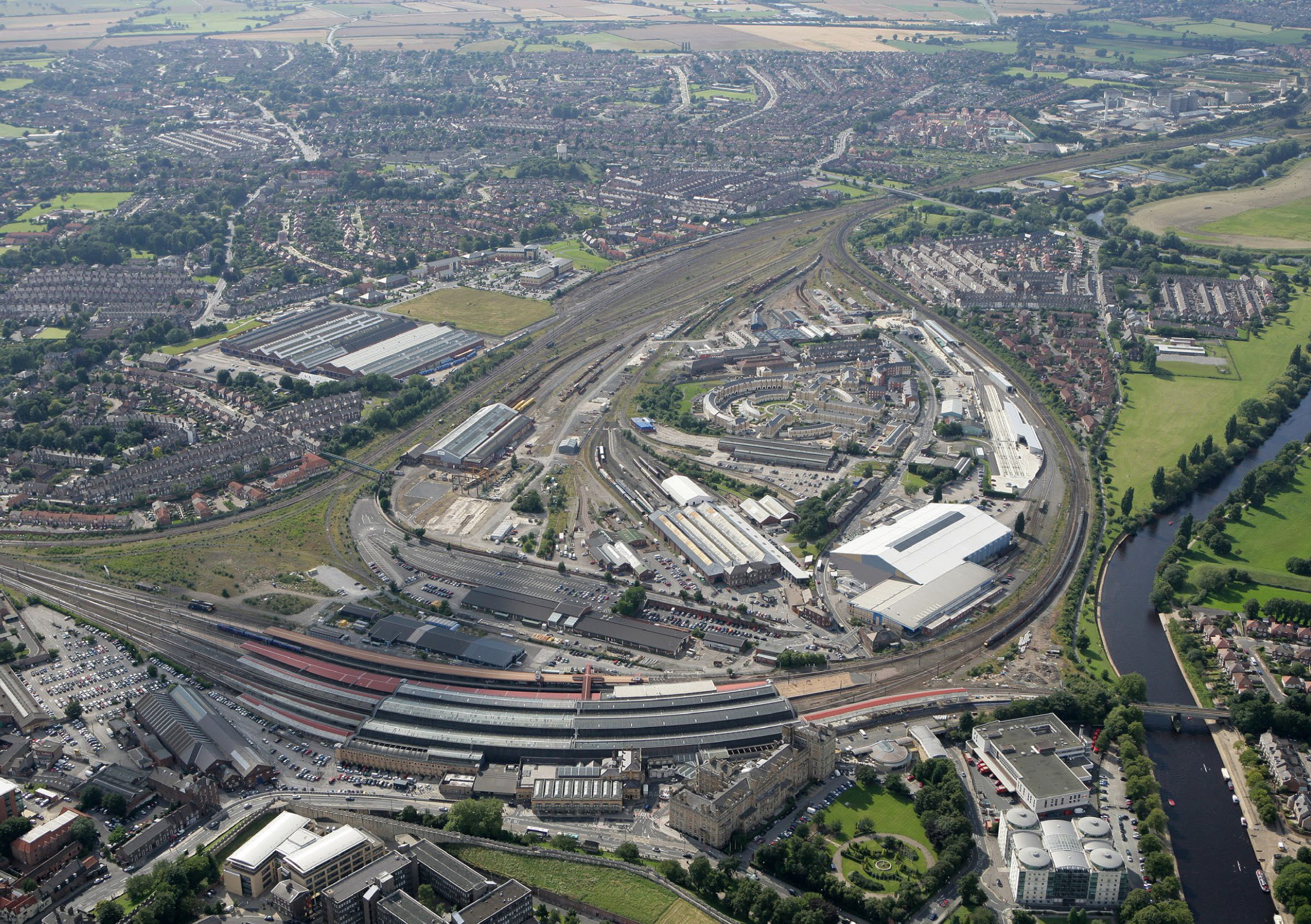 A fragmented museum estate without a clear centre
 -
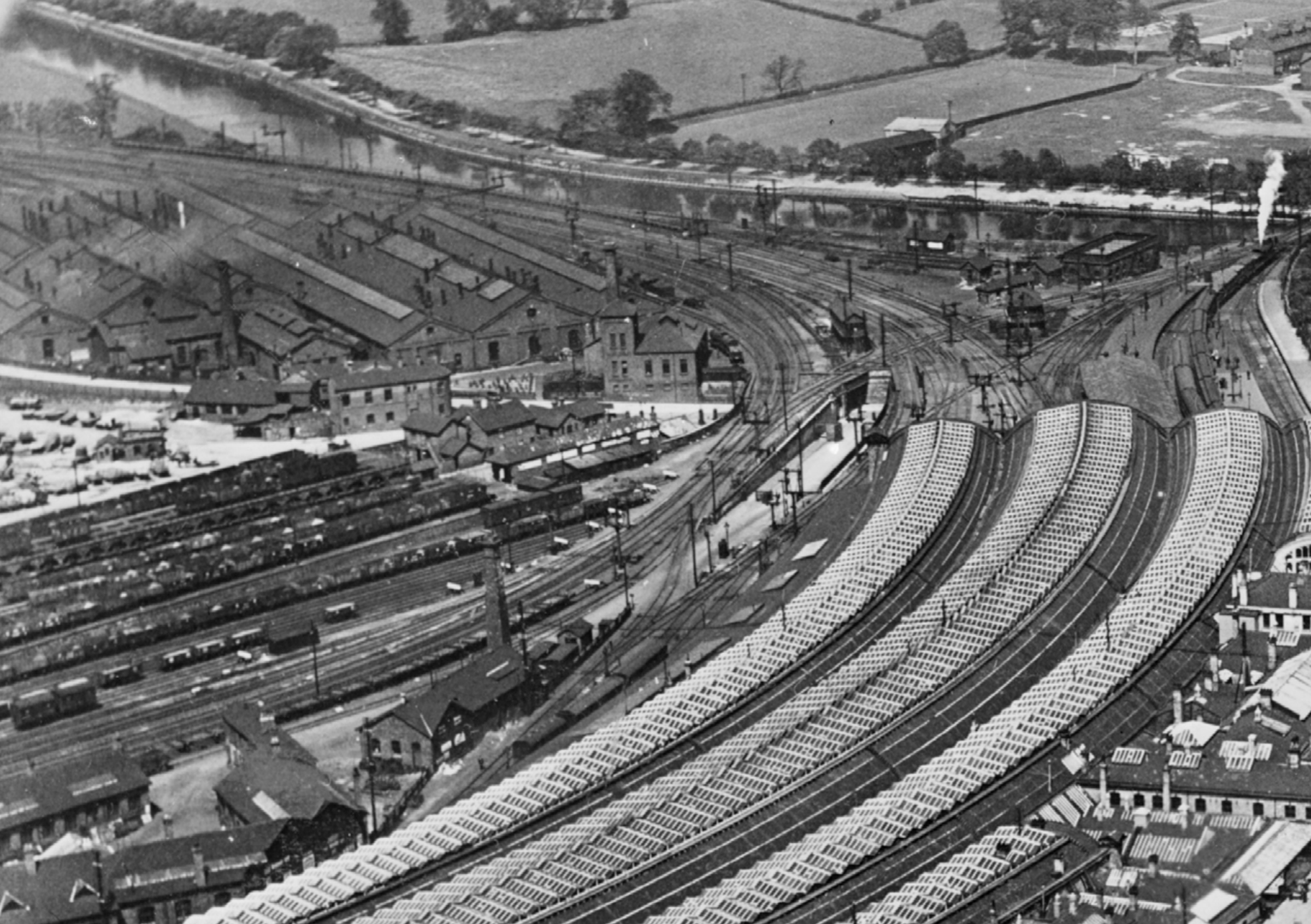 York Station, 1921, railway architecture at civic scale


-
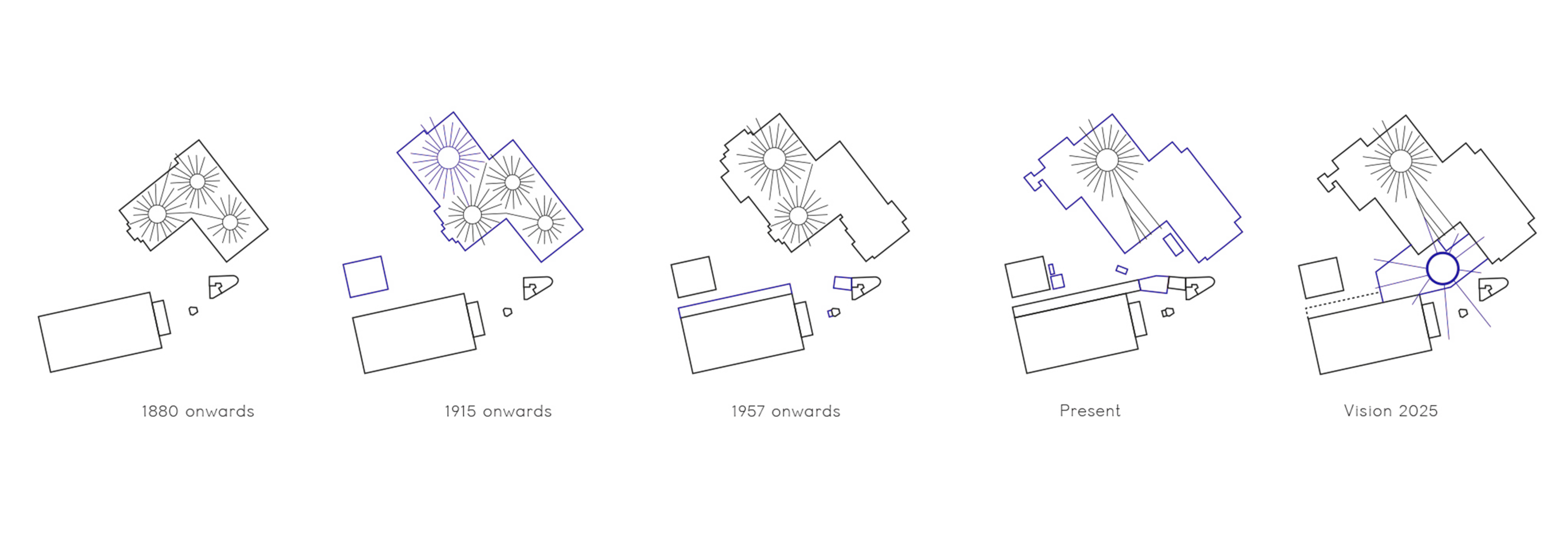 Site evolution from depot to museum, a need for a central link

-
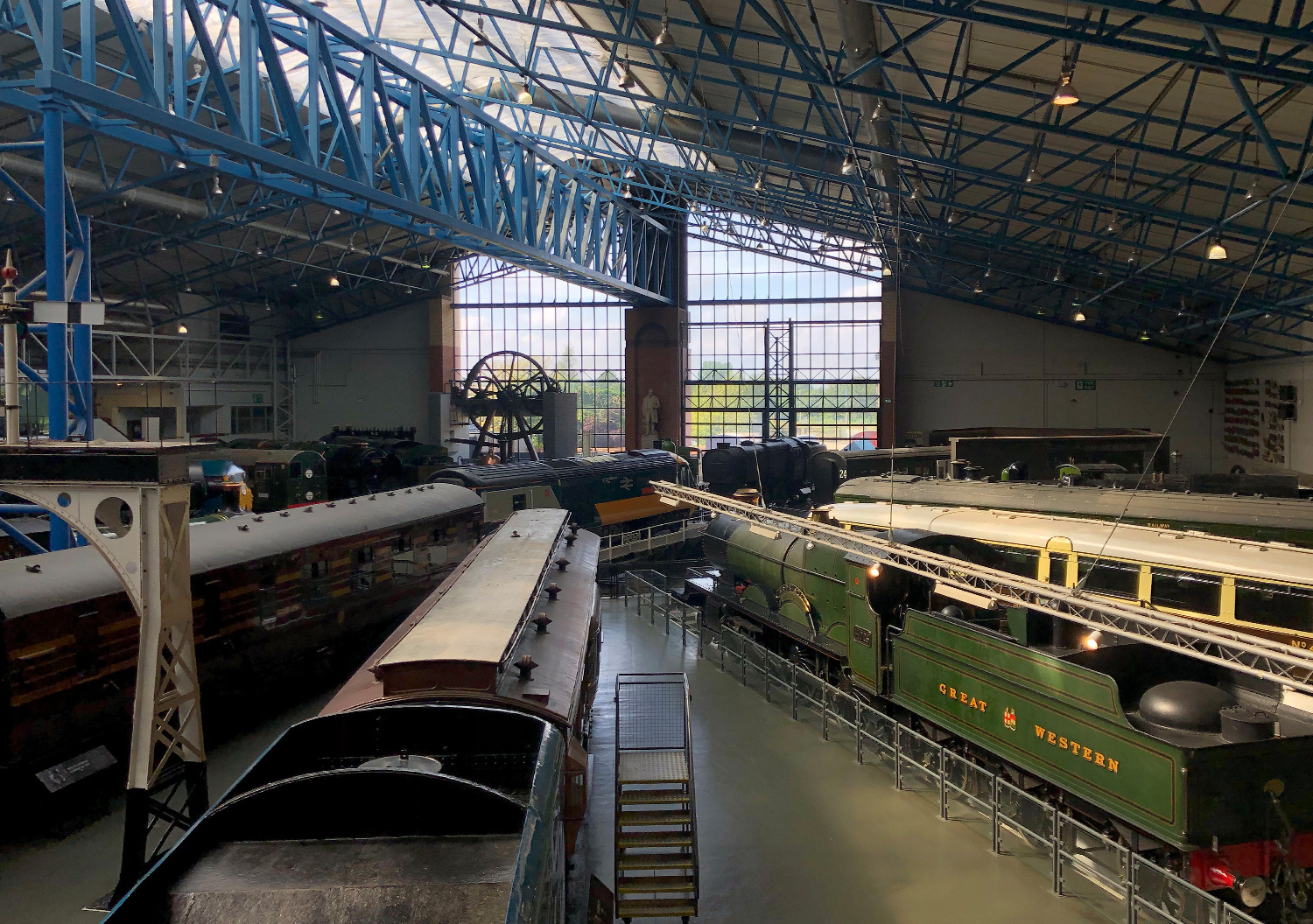 Existing interior exhibits
 -
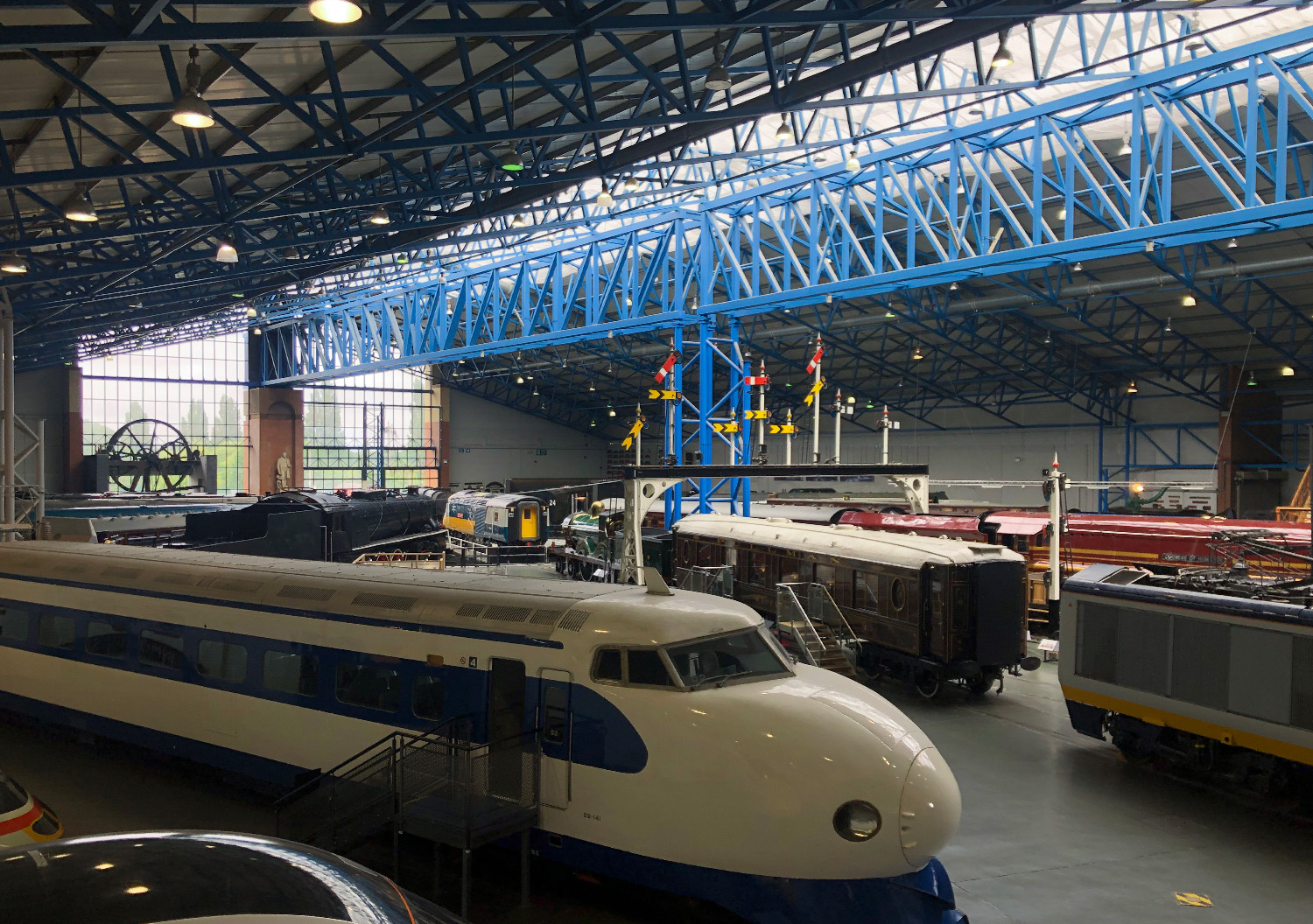 Existing interior exhibits
 -
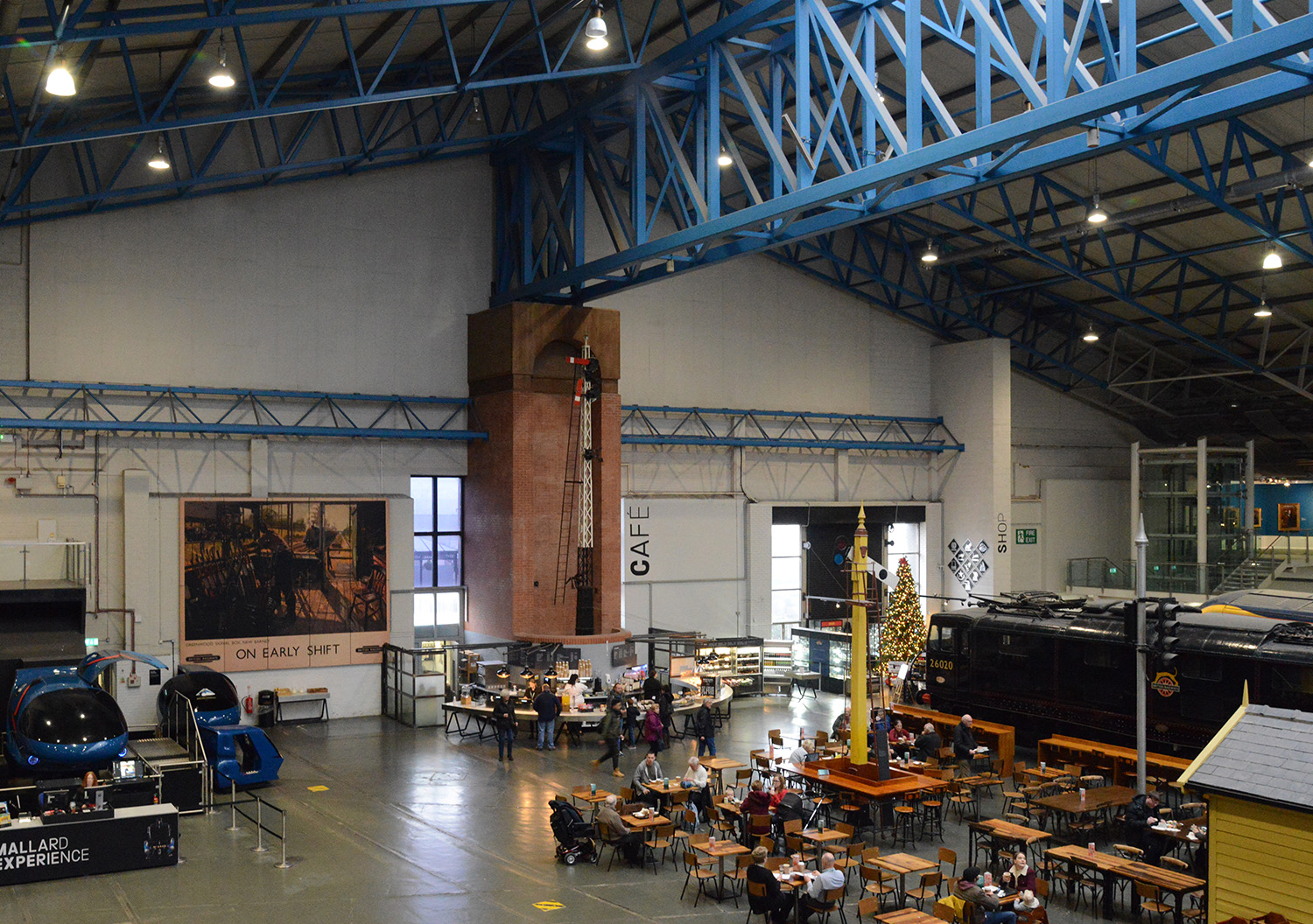 Existing interior exhibits
 -
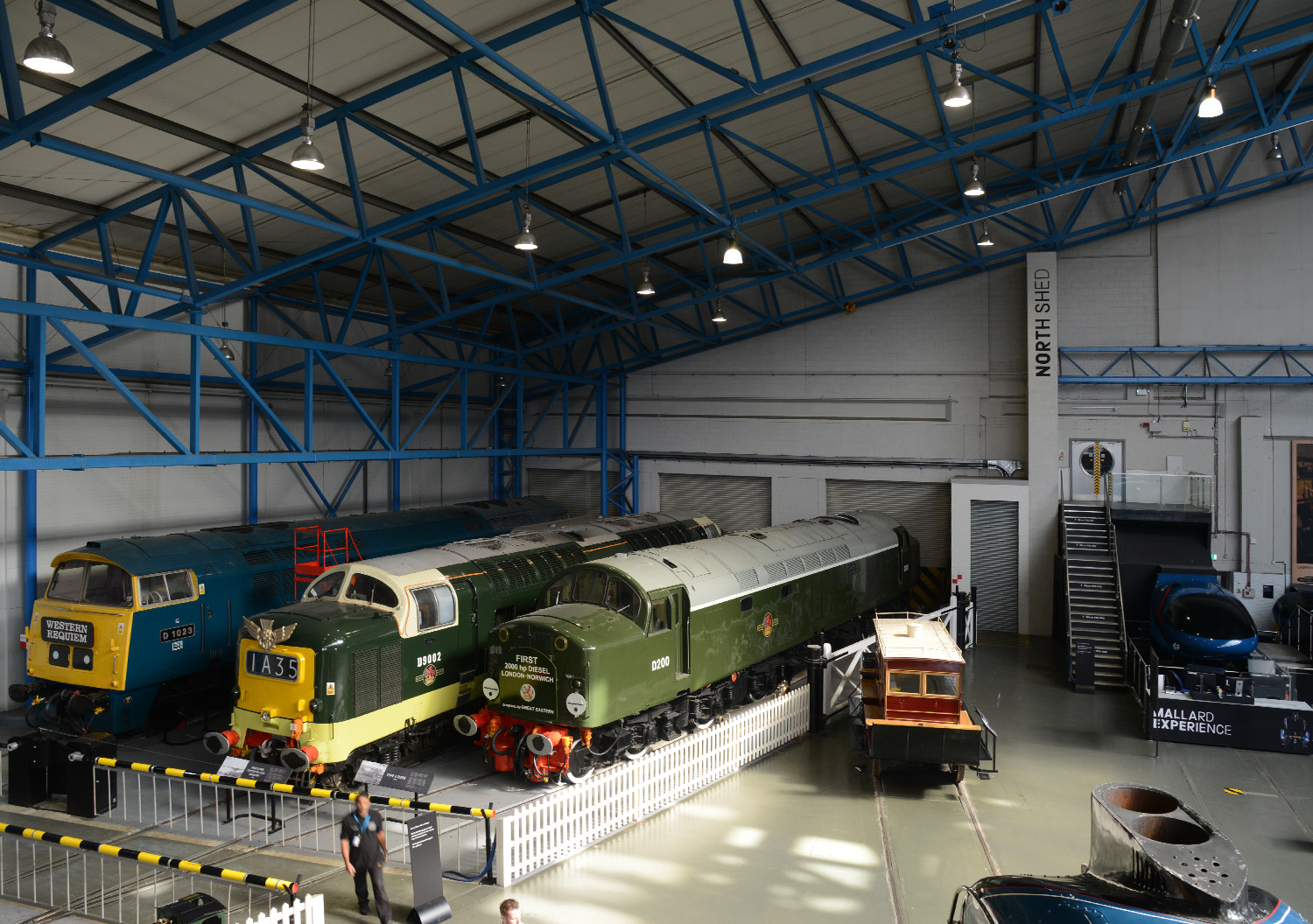 Existing interior exhibits
 -
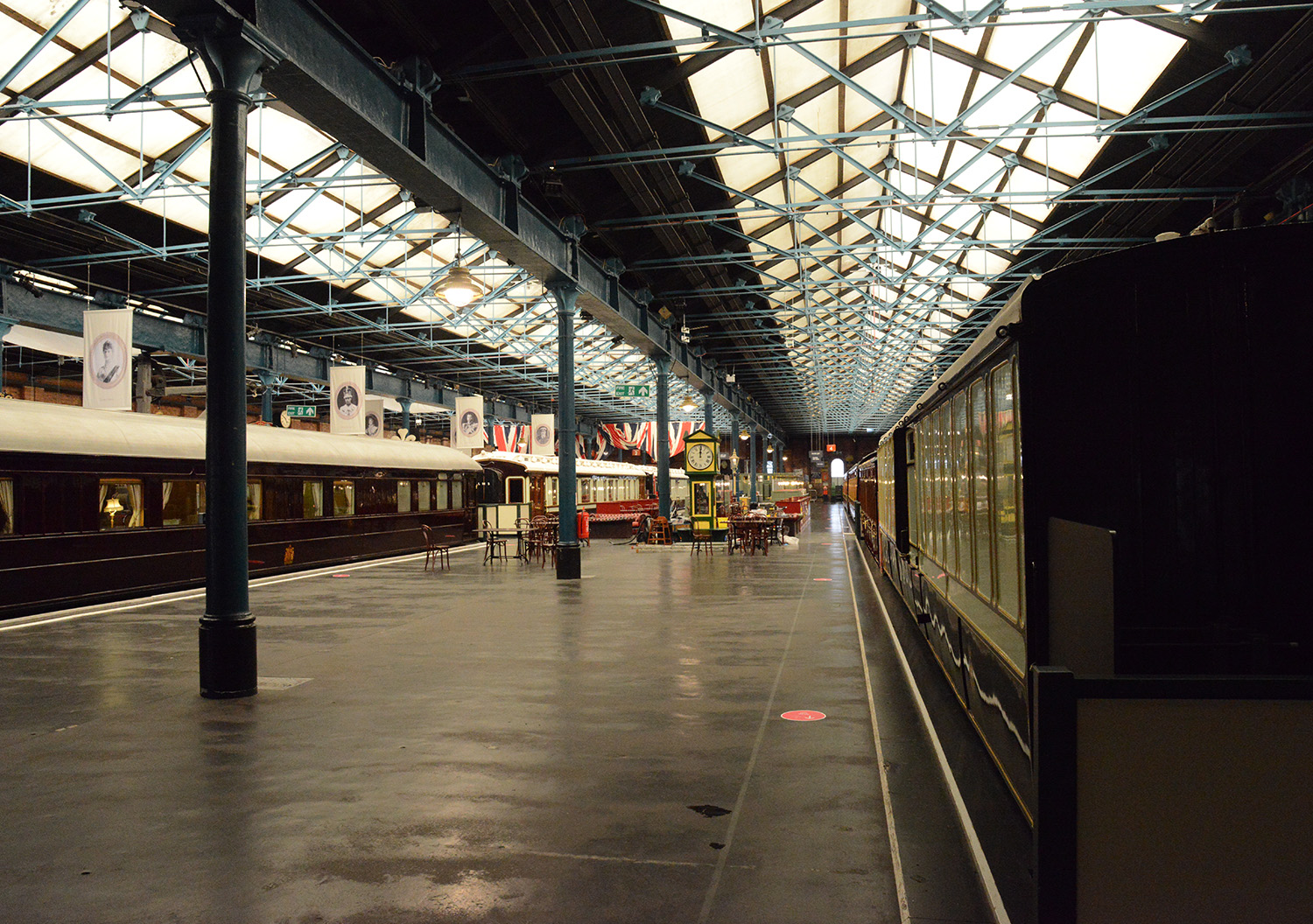 Existing interior exhibits


-
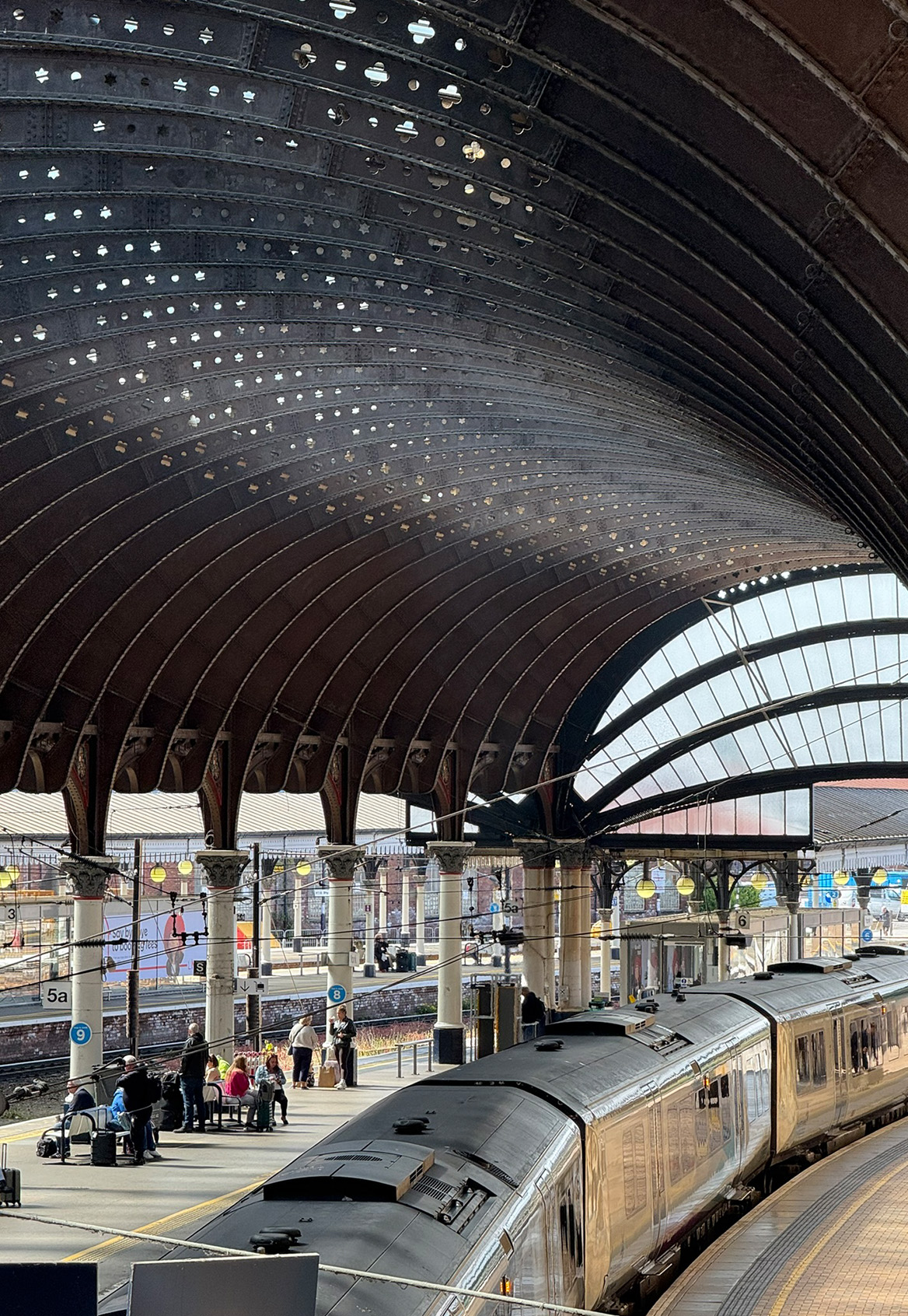 York Station interior, structural legibility and rooflight

-
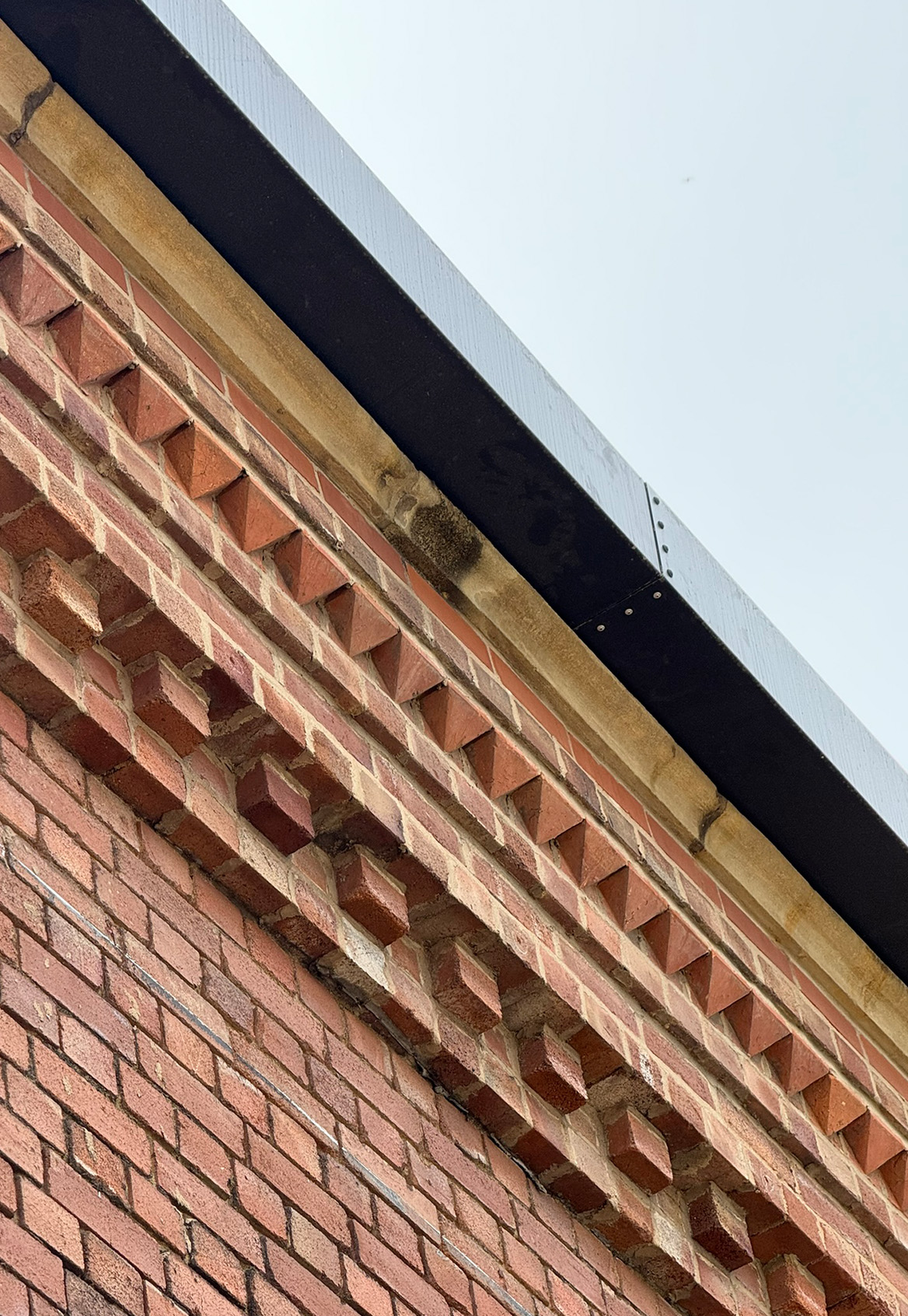 Existing brickwork studies, informing repair and integration
 -
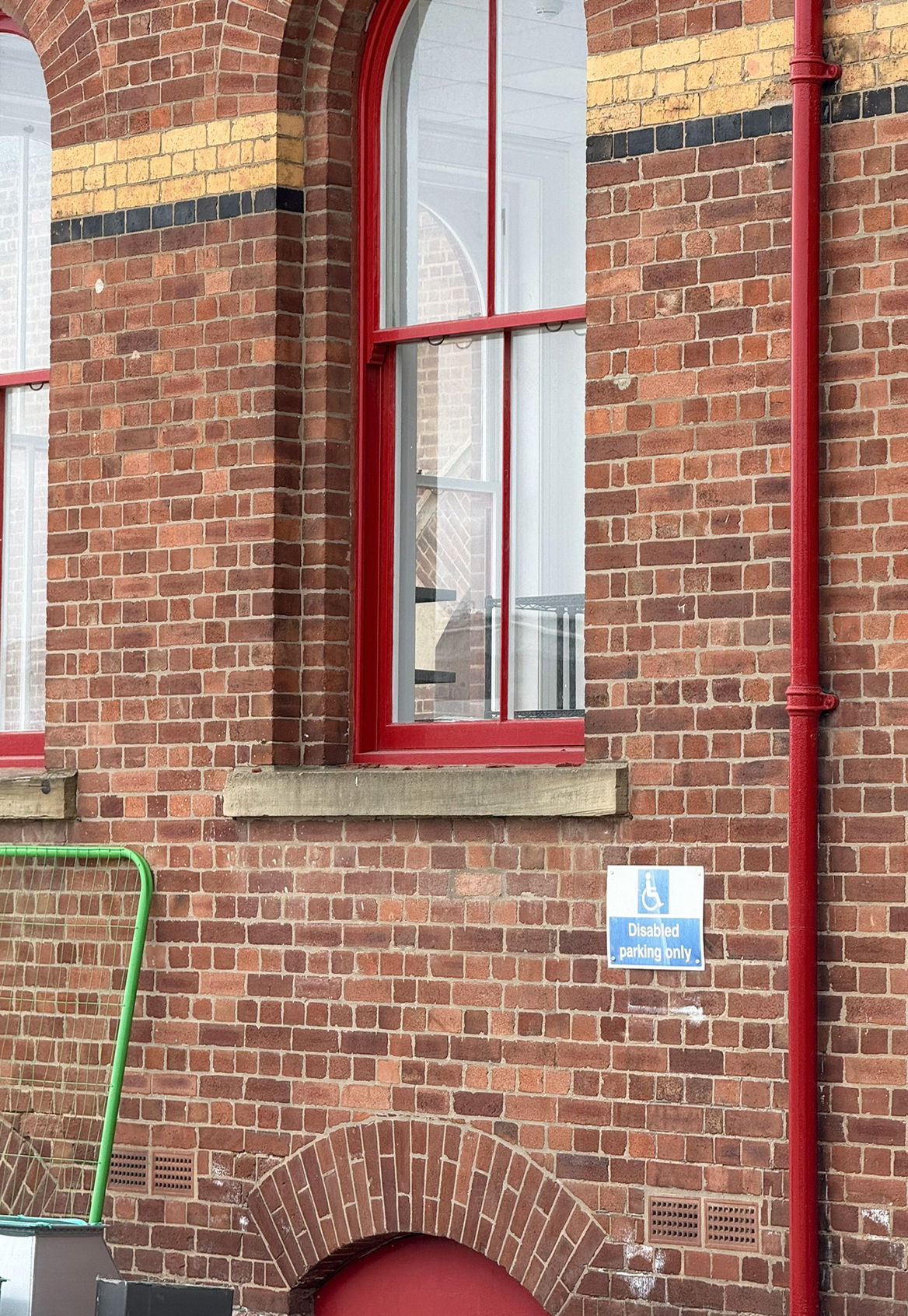 Existing brickwork studies, informing repair and integration
 -
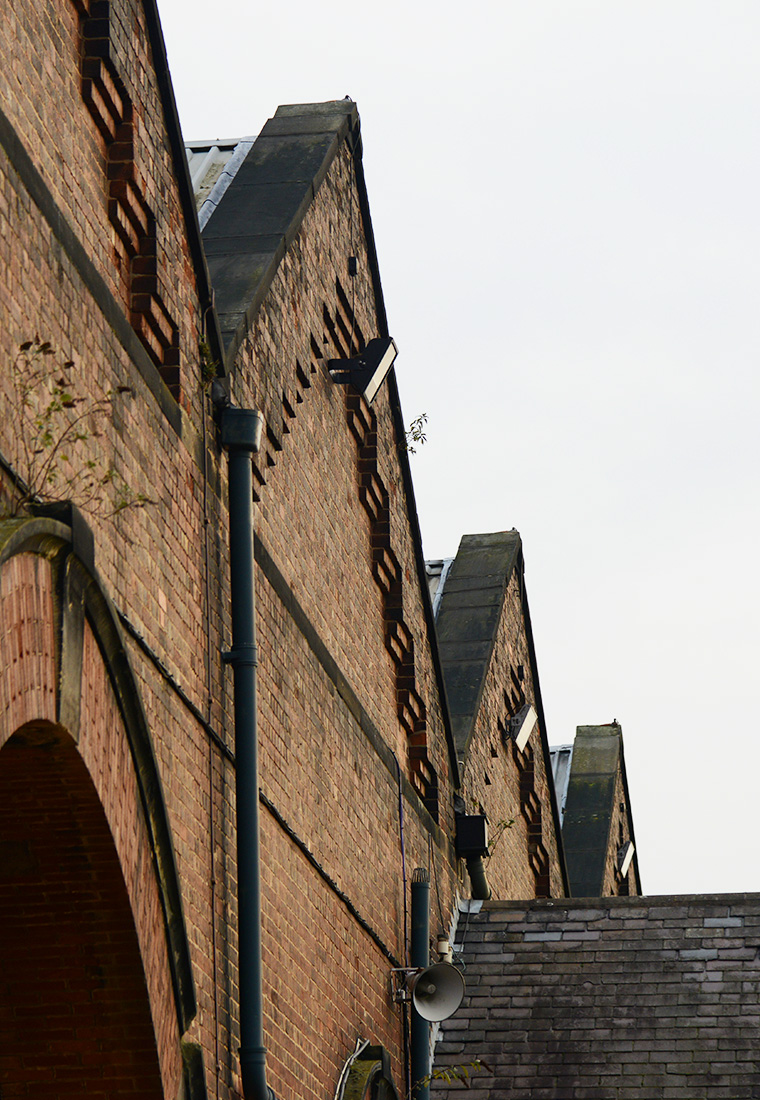 Existing brickwork studies, informing repair and integration
 -
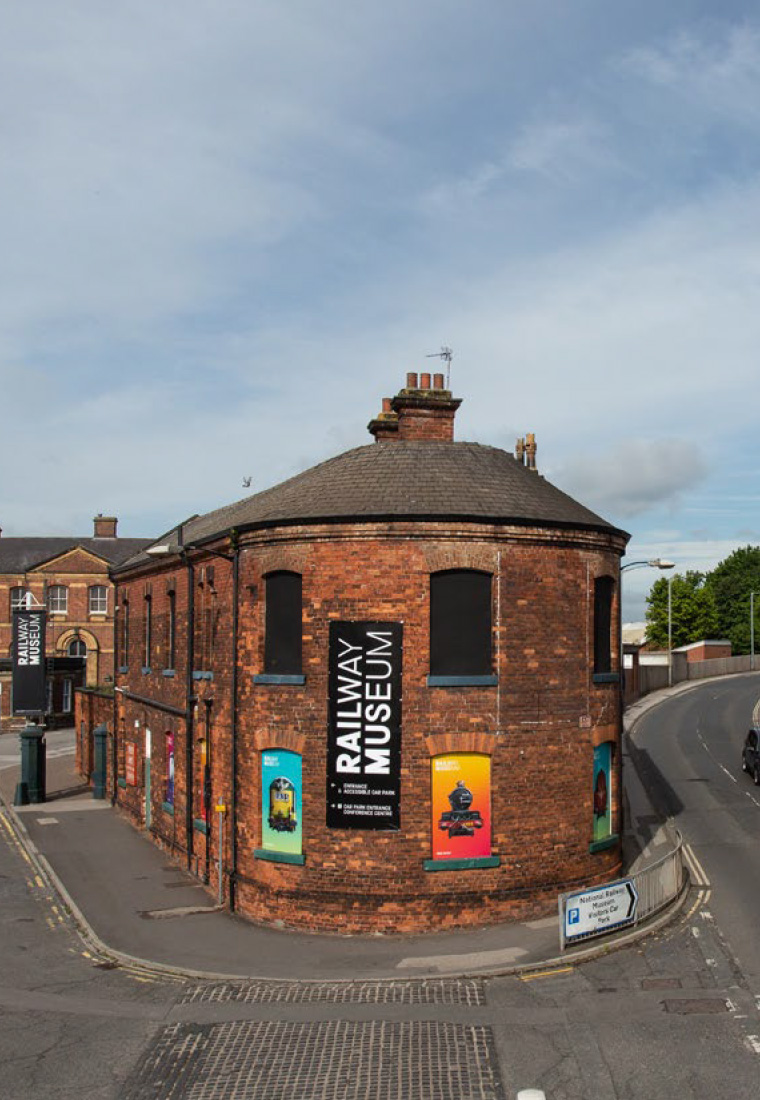 Existing brickwork studies, informing repair and integration


Design Approach
The Central Hall draws on the history of railway turntables and the geometric forms of roundhouses, metal tanks and water towers characteristic of railway landscapes. Its generous circular volume creates a theatrical orientation space that improves wayfinding and strengthens connections to the museum’s existing buildings through a series of ‘portals’, a device also common in classical museum architecture. The plan follows established museum design principles, providing a clear central hub from which collections, activities, administration, recreation and refreshments are visible and easily accessible. This organisational approach echoes precedents found in many major museums, including the Altes Museum in Berlin, where a legible spatial diagram enables intuitive movement without the need for extensive signage.
-
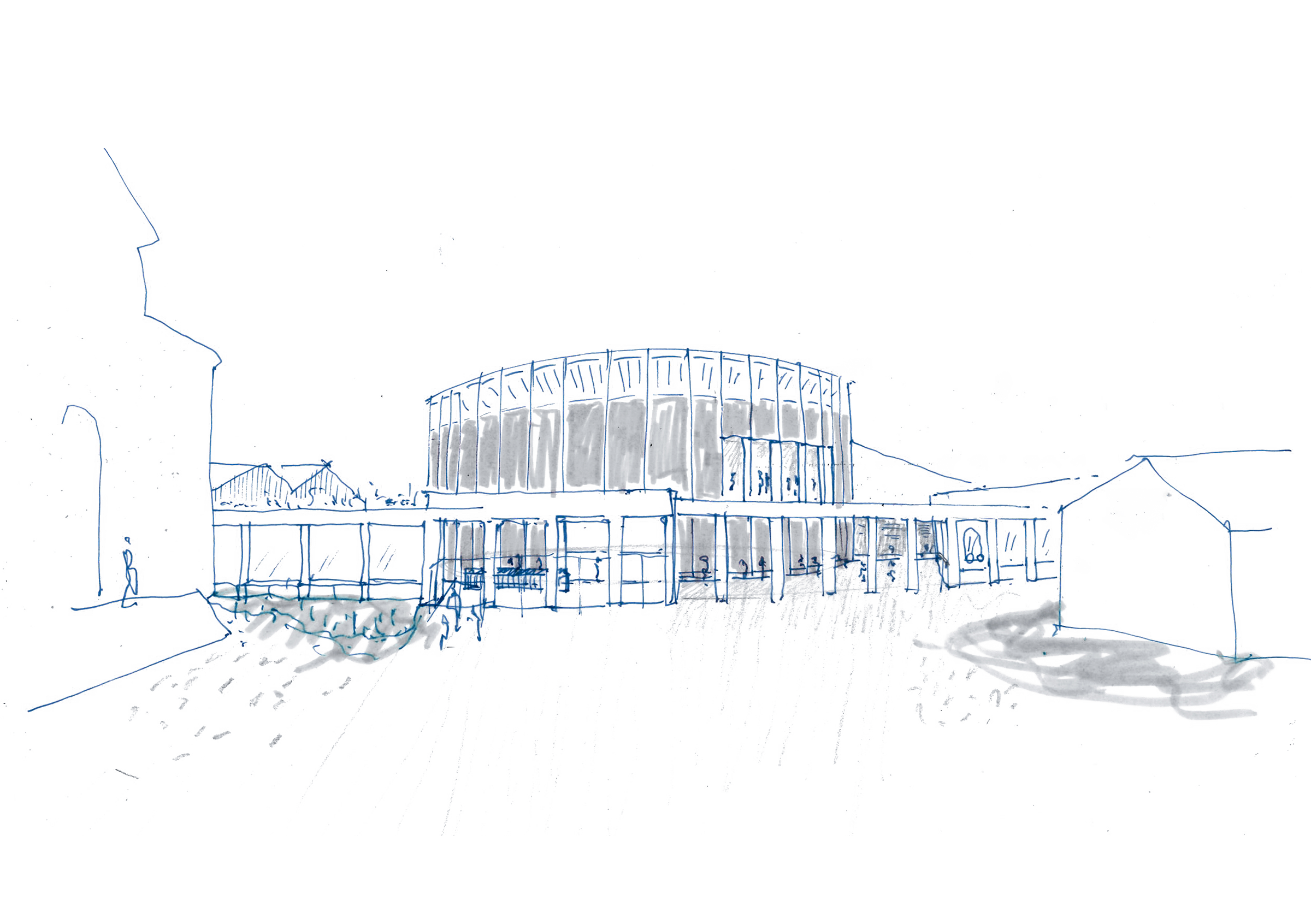 Competition sketch, a circular drum embedded behind a brick plinth

-
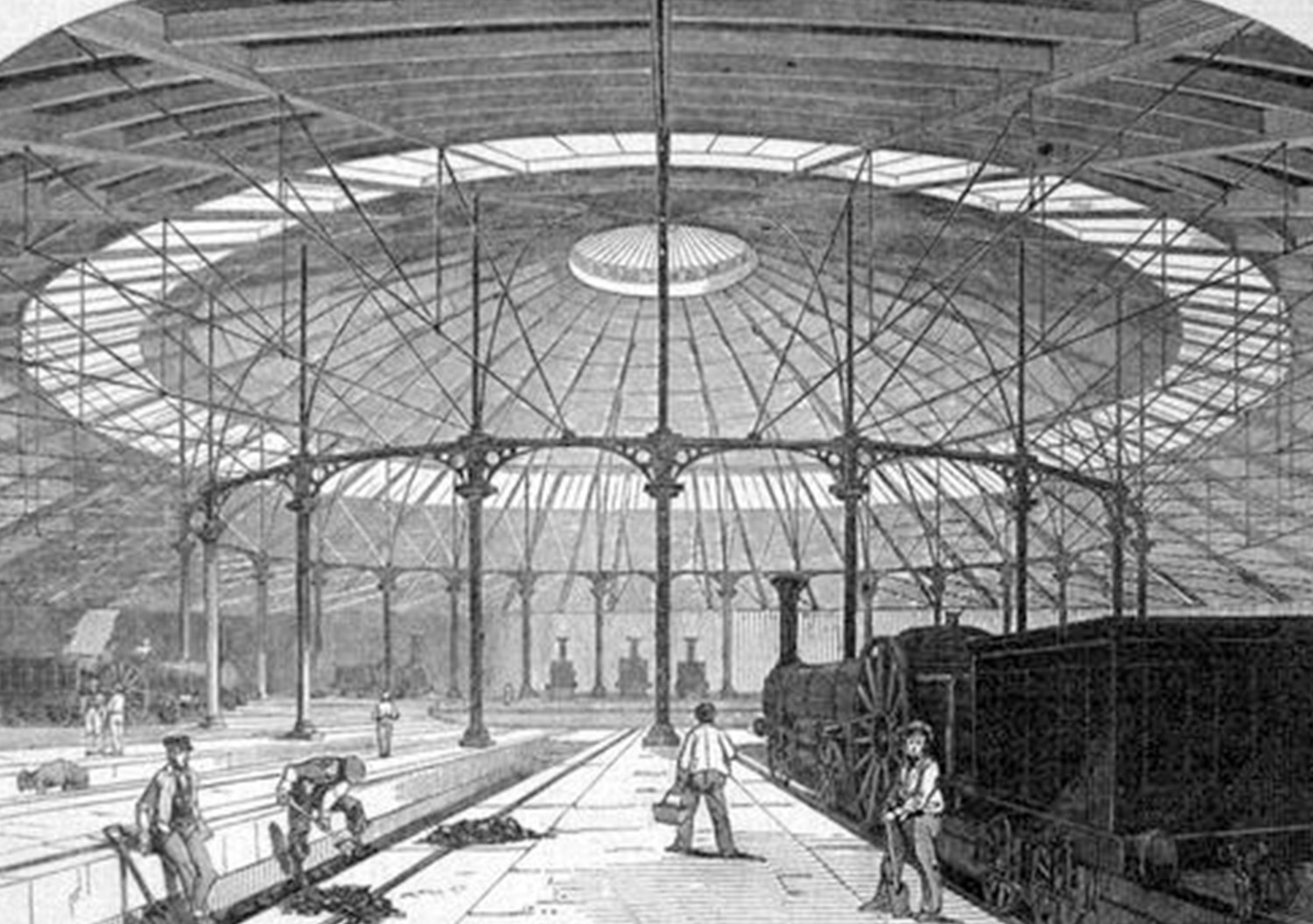 Camden Roundhouse, 1847, circular form and radial order
 -
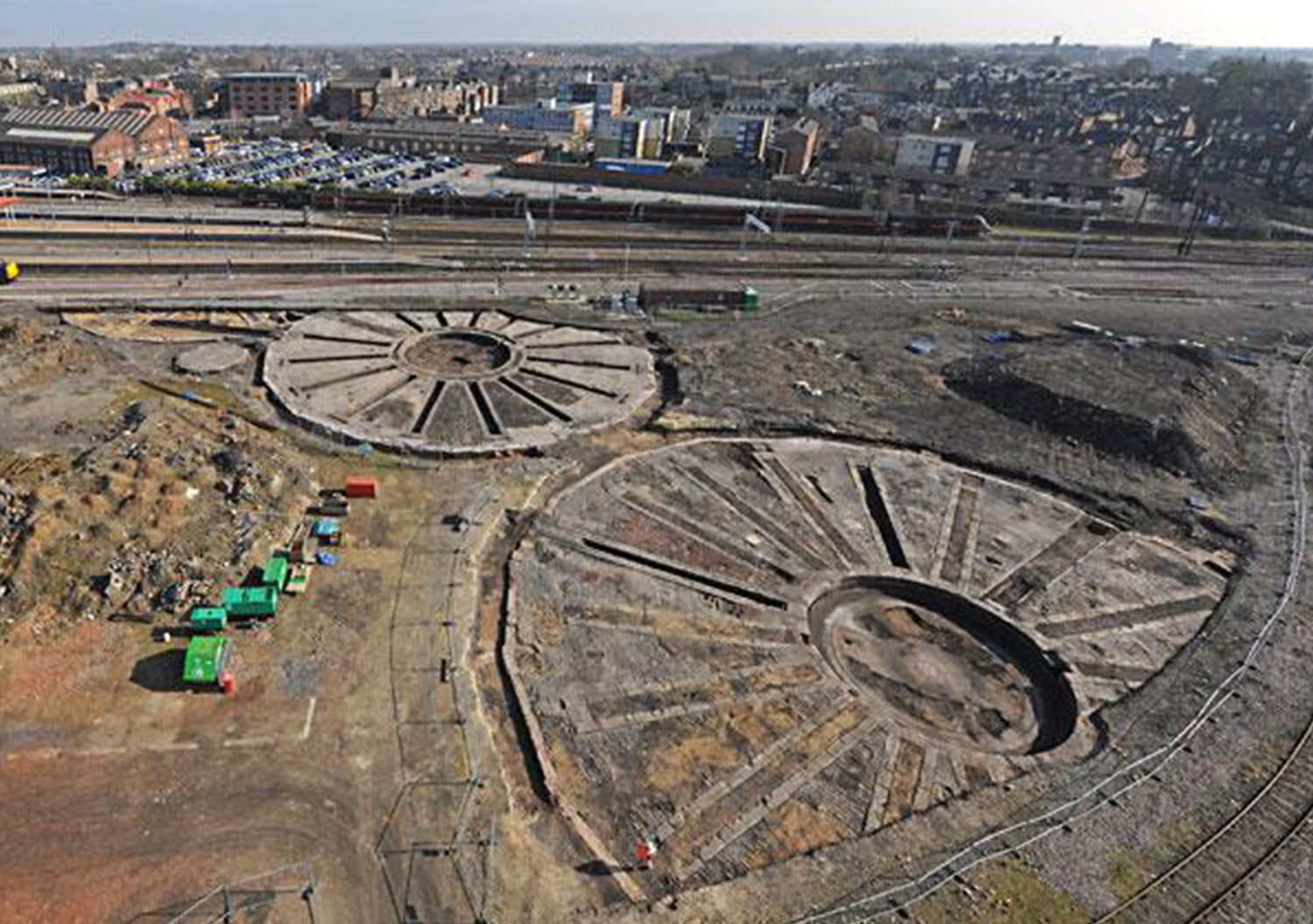 Historic York turntable, informing the plan


-
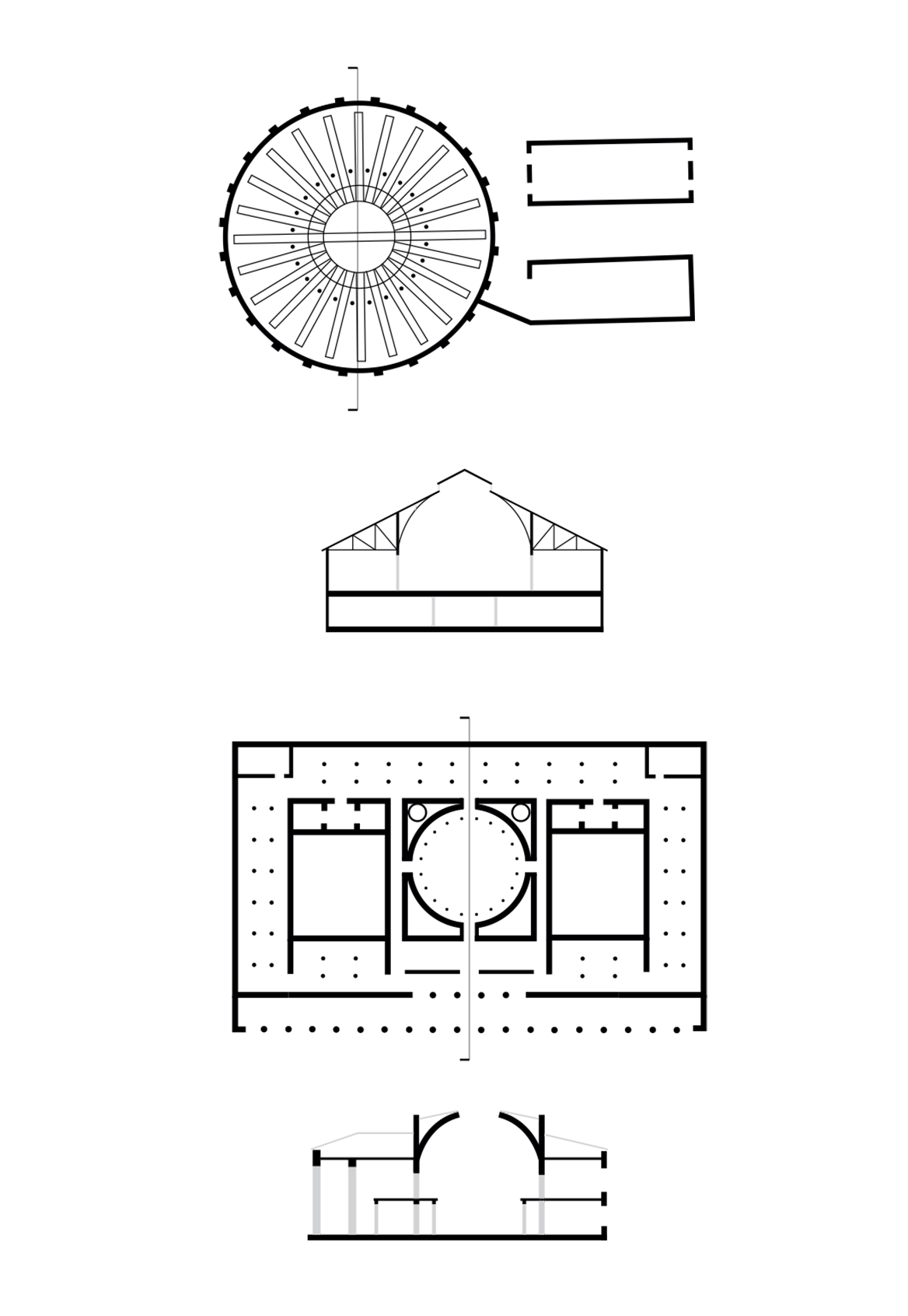 Roundhouse, Camden and Altes Museum, Berlin, 1830

-
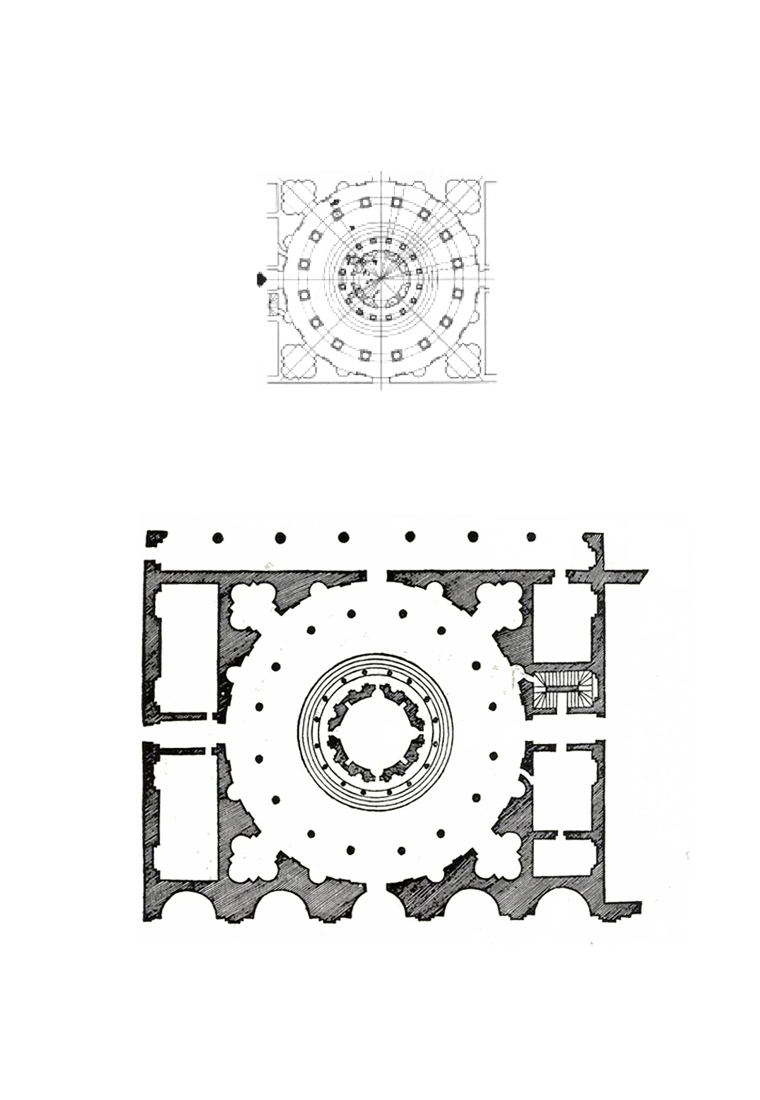 Tempietto del Bramante, Rome, c.1502 centralised plan

Materials
The material strategy combines a desire to be sympathetic to the listed load-bearing brick structures of Station Hall and other adjacent brick buildings, while crafting a distinctive, new building. A superstructure built from Douglas Fir is expressed internally, with other internal finishes designed to be robust and create a calming colour palette. Externally, the principal elevations at ground floor level are constructed from brick, referencing the widespread use of masonry within York. The upper drum of the main Central Hall building is clad in Copper or a Copper alloy, treated to prevent the colour transitioning from a darker brown to a green. It is a sustainable choice – a recycled material with unparallel longevity, gets naturally thicker over time and requires no maintenance.
-
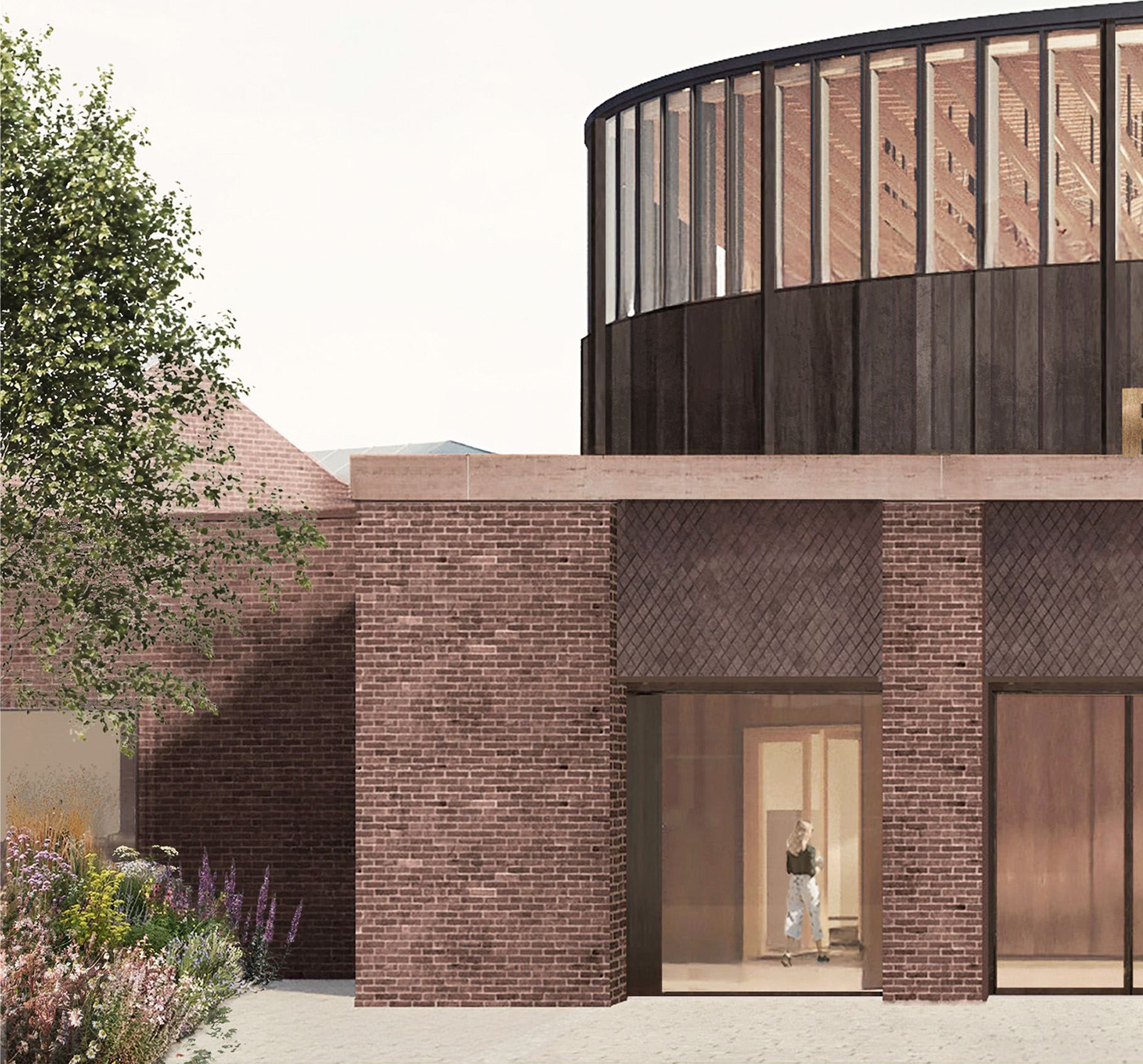 Museum Square entrance design and handmade brick studies

-
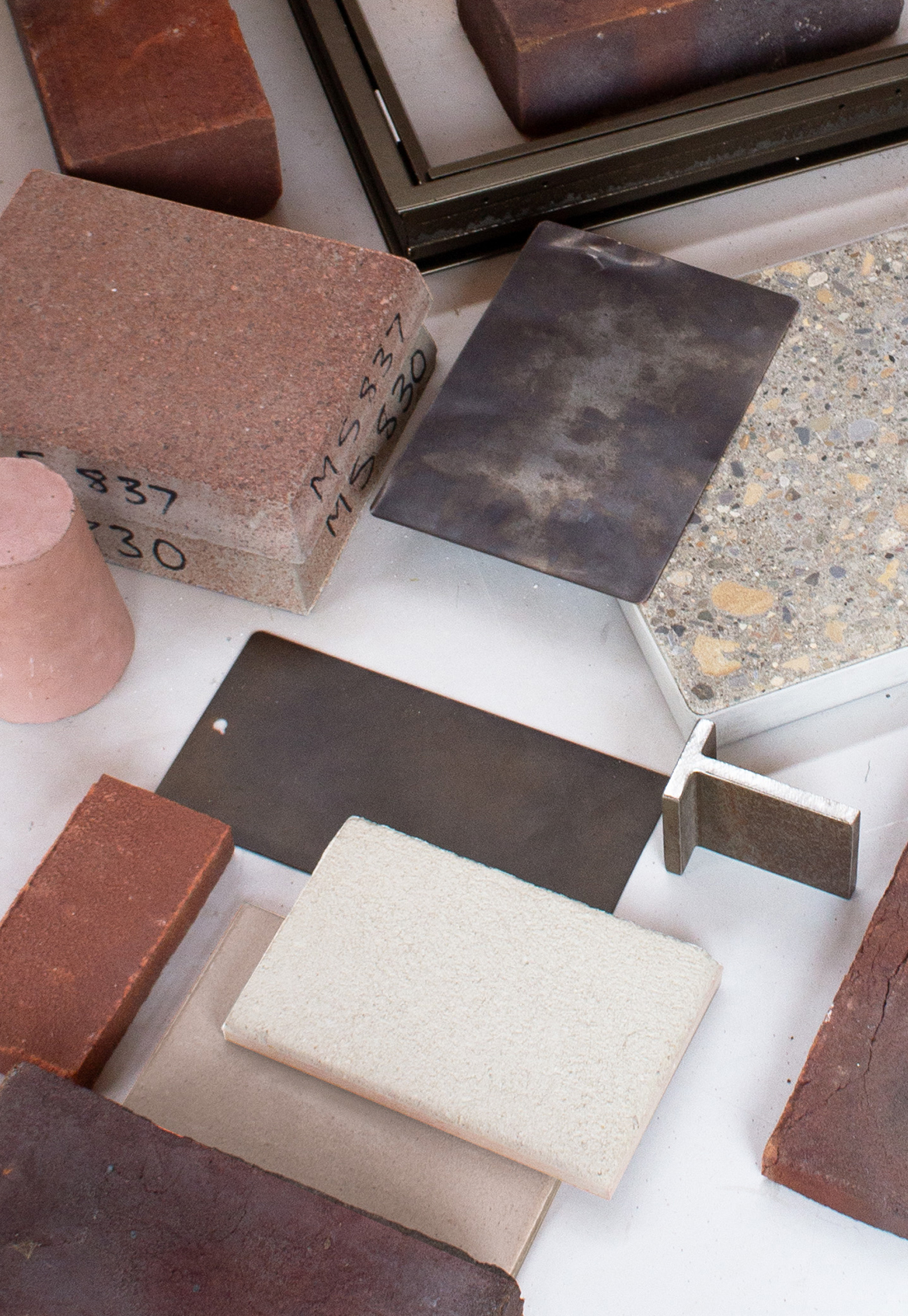 Handmade brick, timber, lime plaster and patinated copper

-
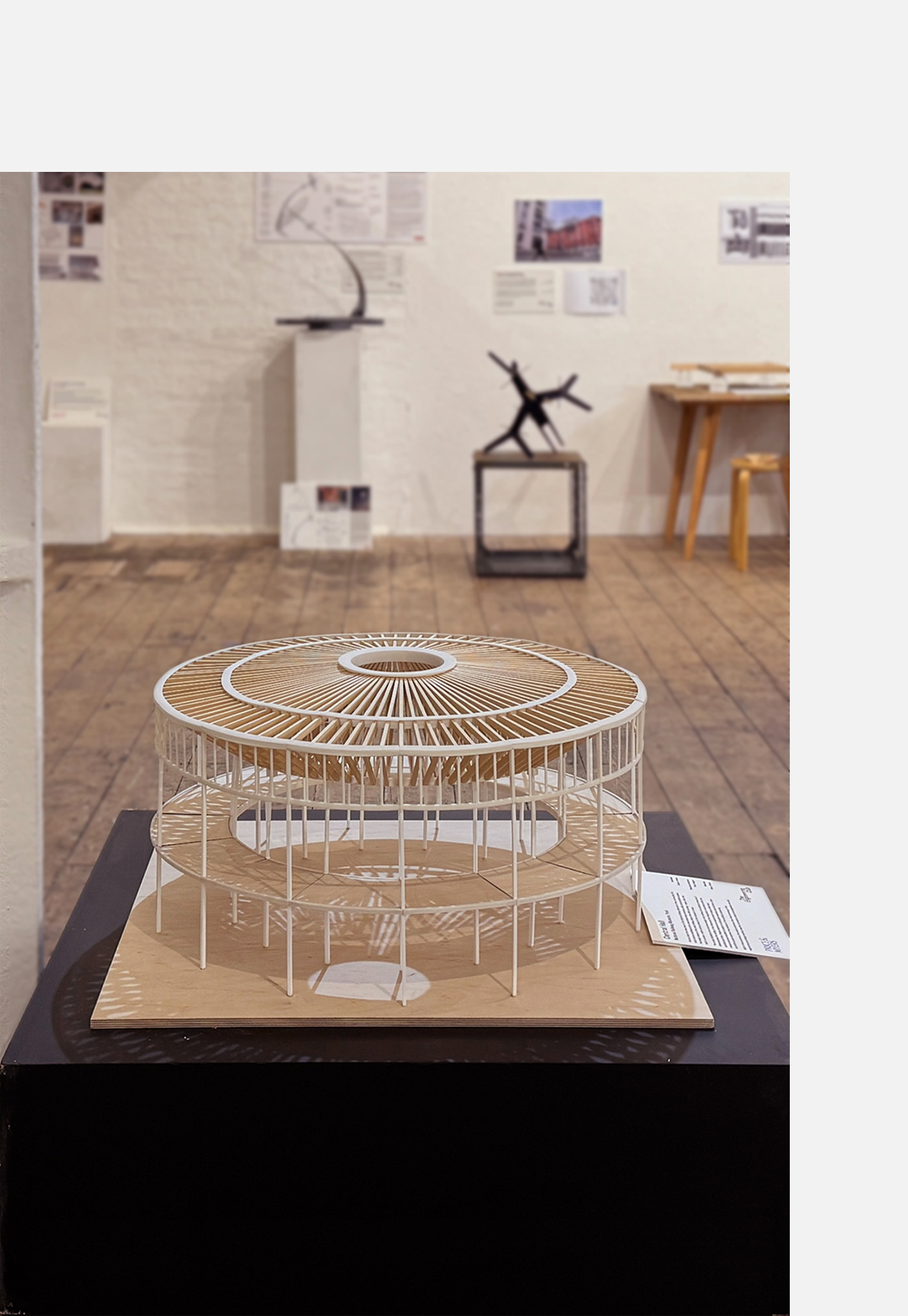 Central Hall, National Railway Museum model at Engineers Create 2025, Price & Myers

-
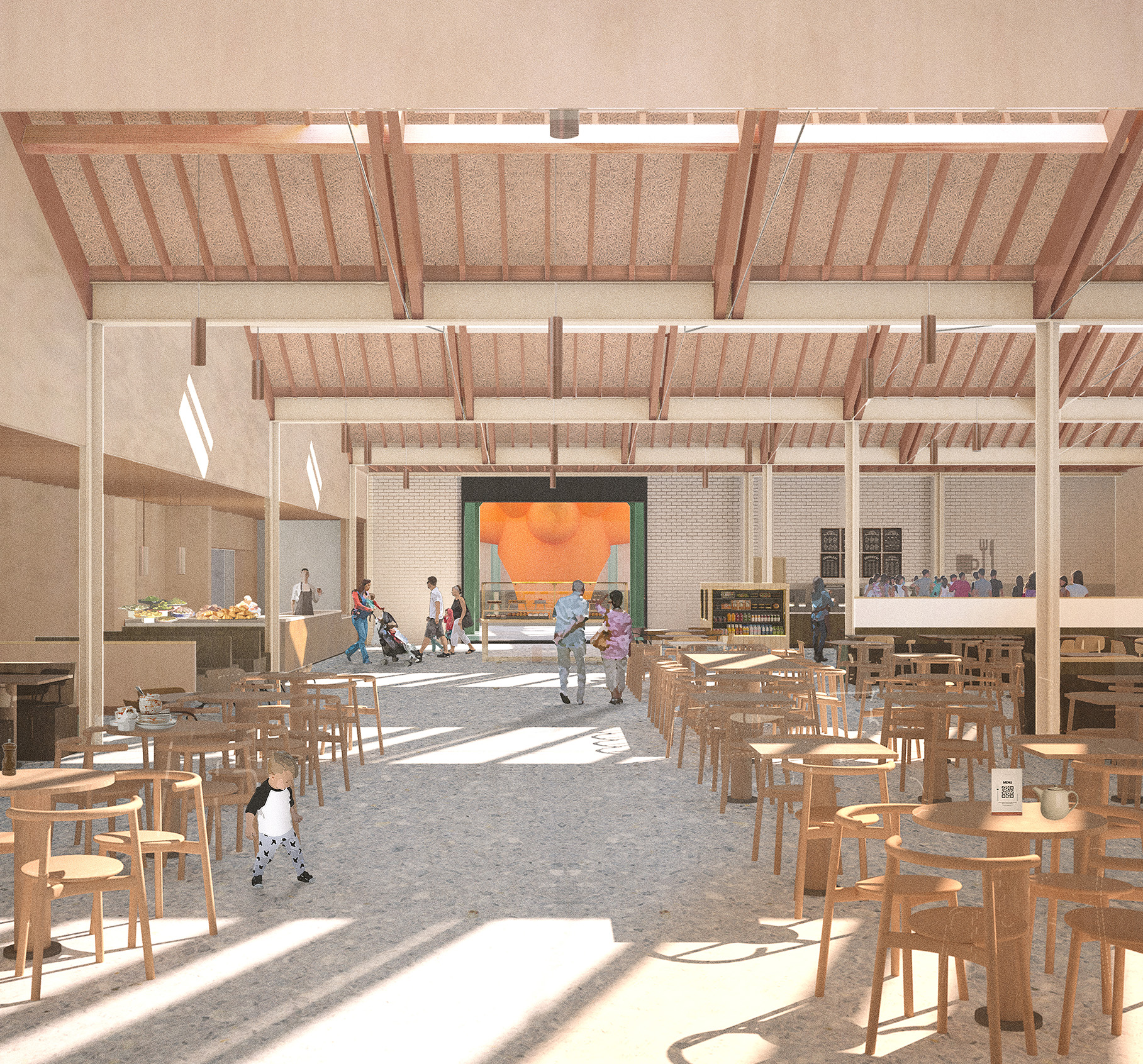 Cafe, looking onto the Wonderlab

-
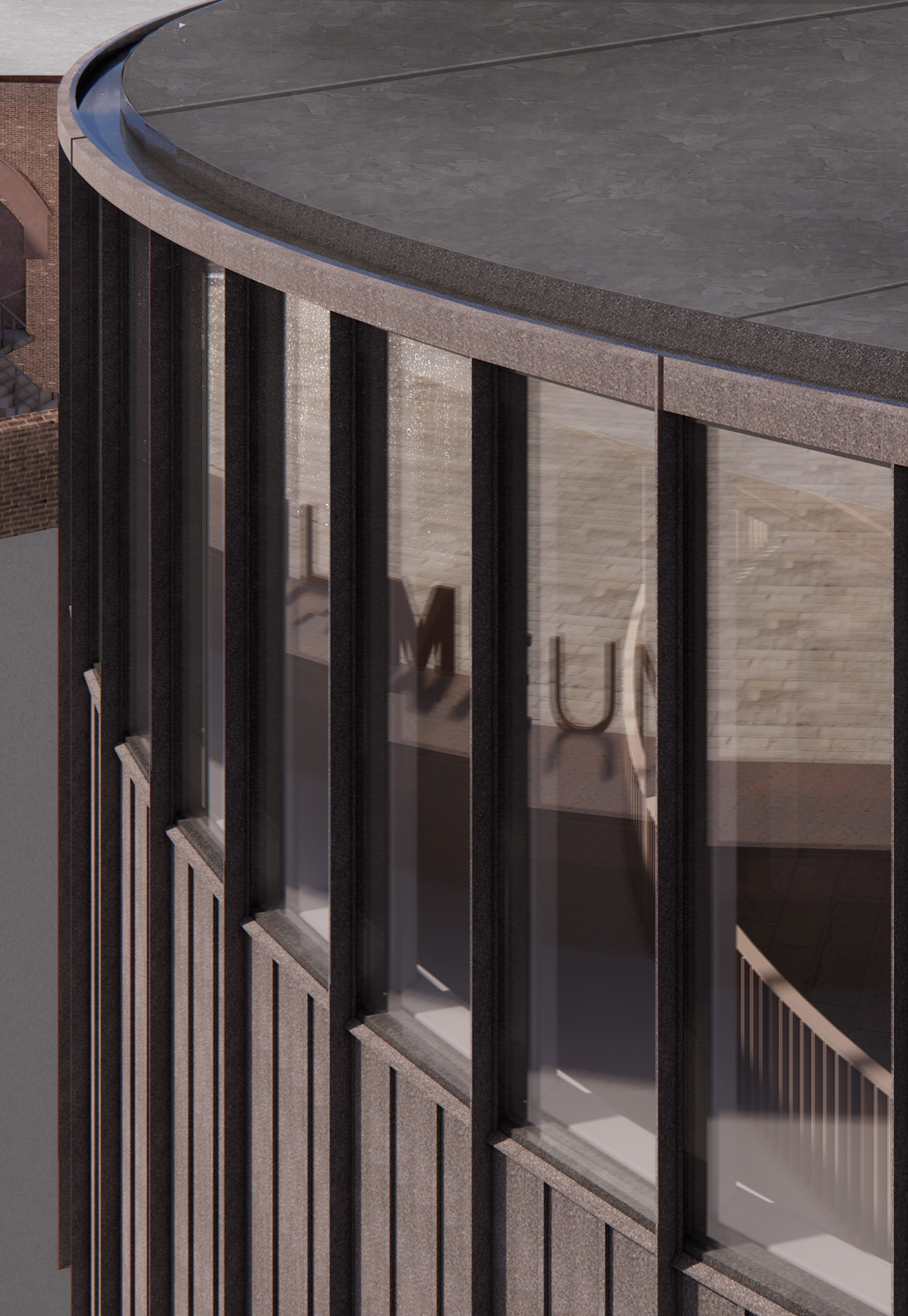 Copper drum, faceted to follow the structural rhythm

-
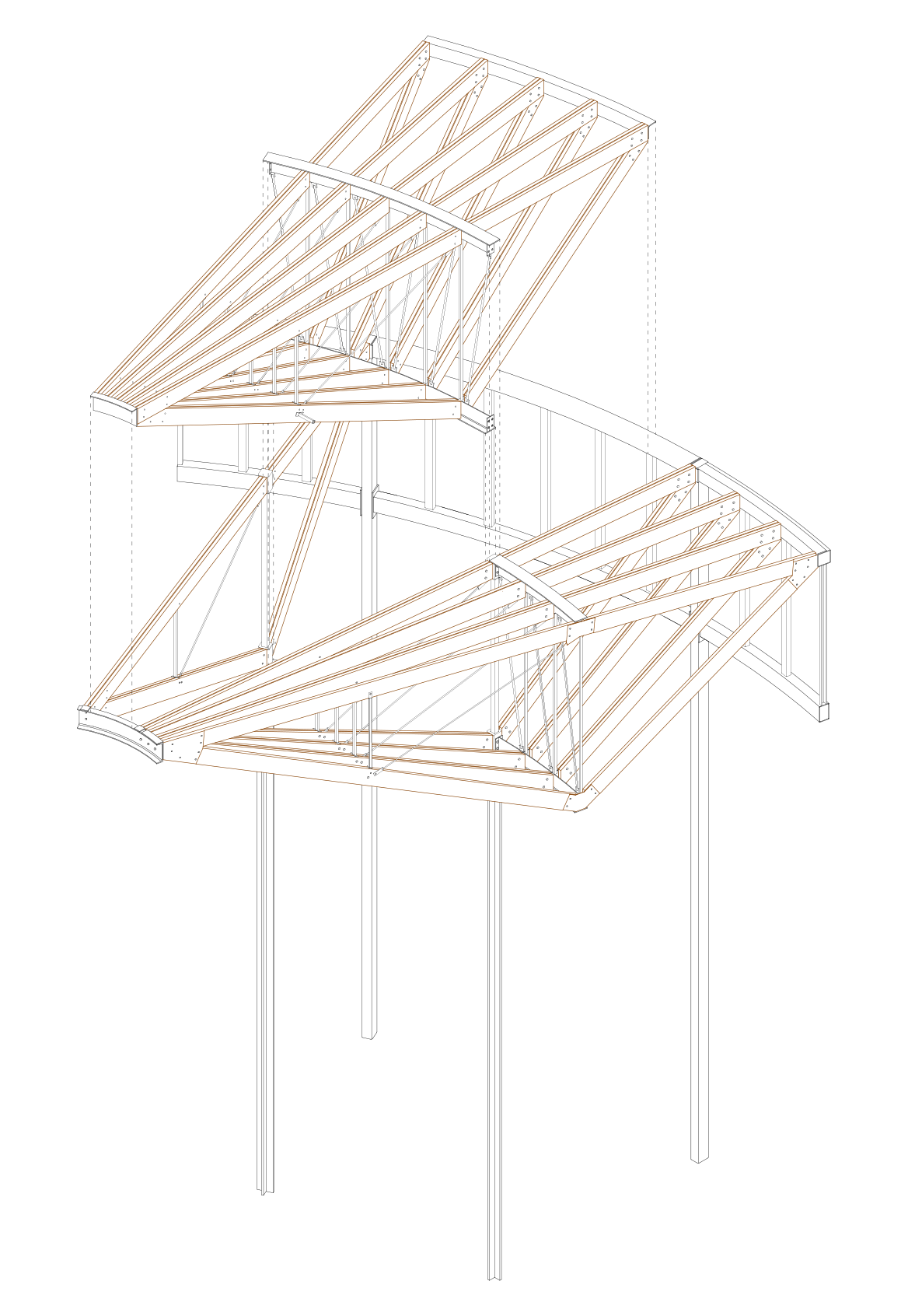 Structural segment of the drum

Radial Timber Structure
The structure of Central Hall is conceived as a lightweight timber superstructure that reinforces the clarity of the building’s circular form. A series of Douglas Fir glulam frames radiate around the perimeter, forming a rhythmic structural system that spans between the outer ring beam and a central steel compression element. Triangulated timber members provide stiffness and allow the roof to achieve efficient long spans with minimal material. Steel tension rods stabilise the frames and control lateral movement, creating a hybrid system that combines timber and steel. Loads are transferred to slender steel columns, allowing the ground floor to remain open and flexible while expressing the structure internally.
-
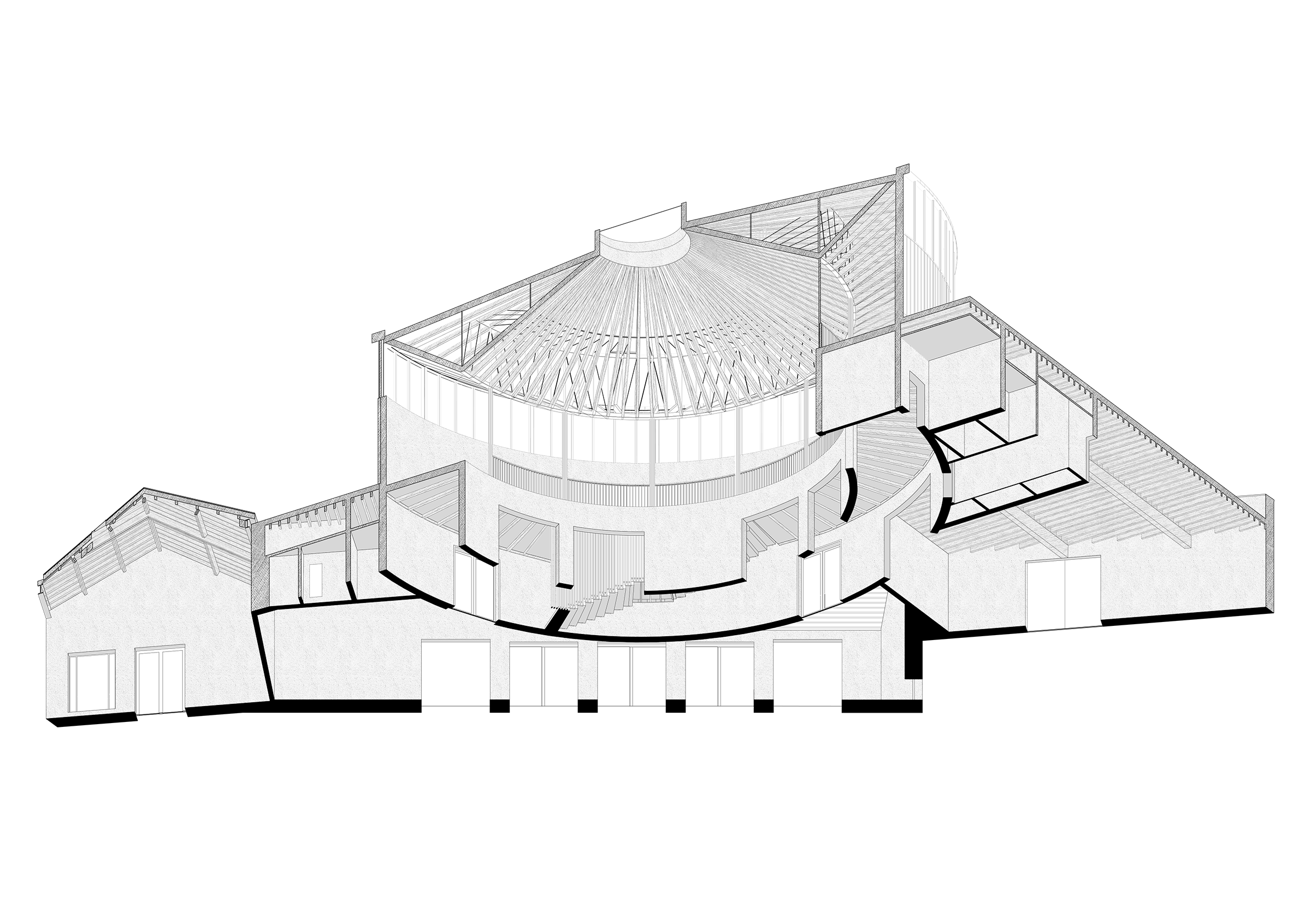 Sectional segment of the drum and its connecting adjacencies

-
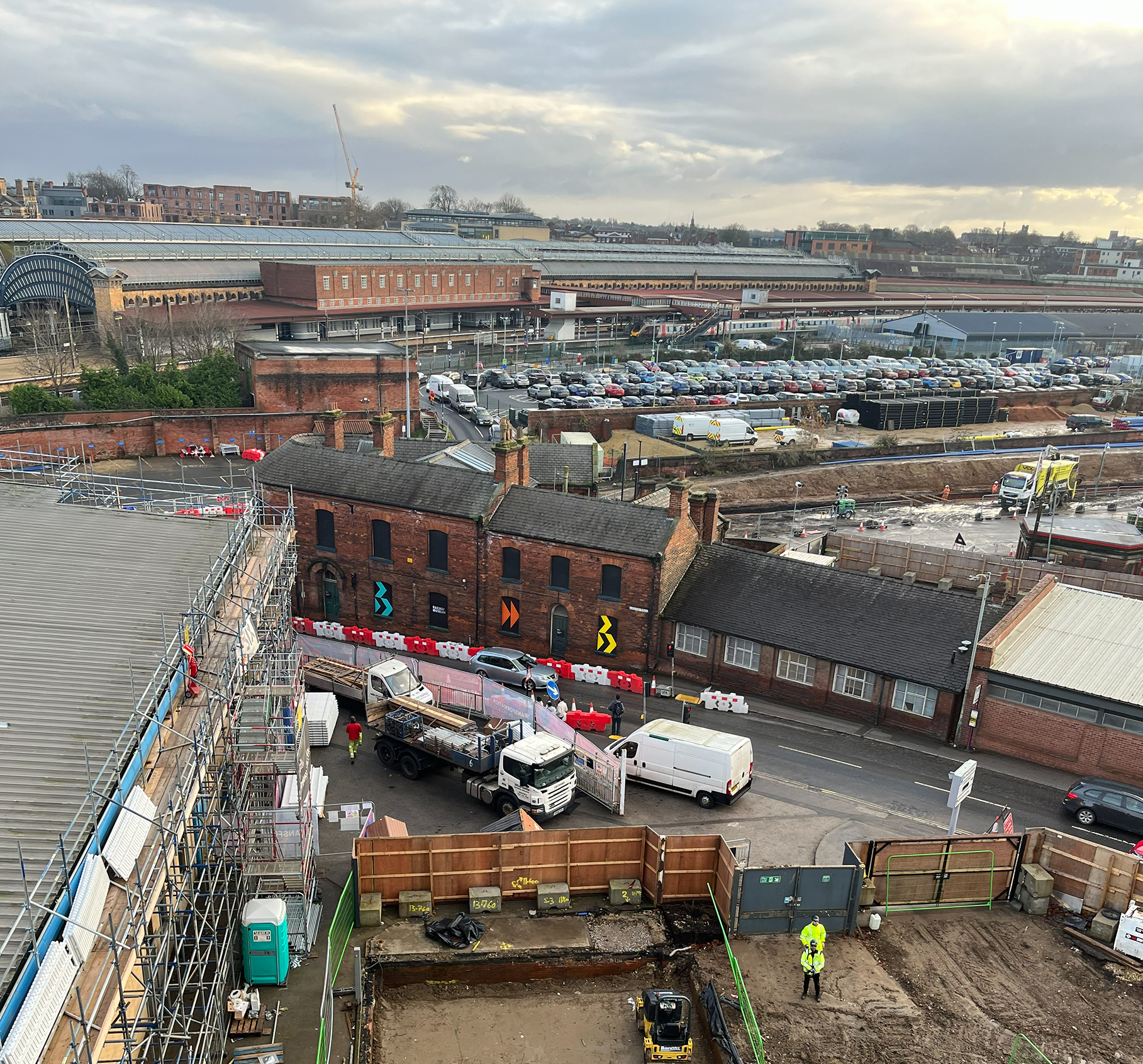 Central Hall on-site, 2025, Repairs to the Bullnose Building and removal of later ancillary structures ahead of groundworks
 -
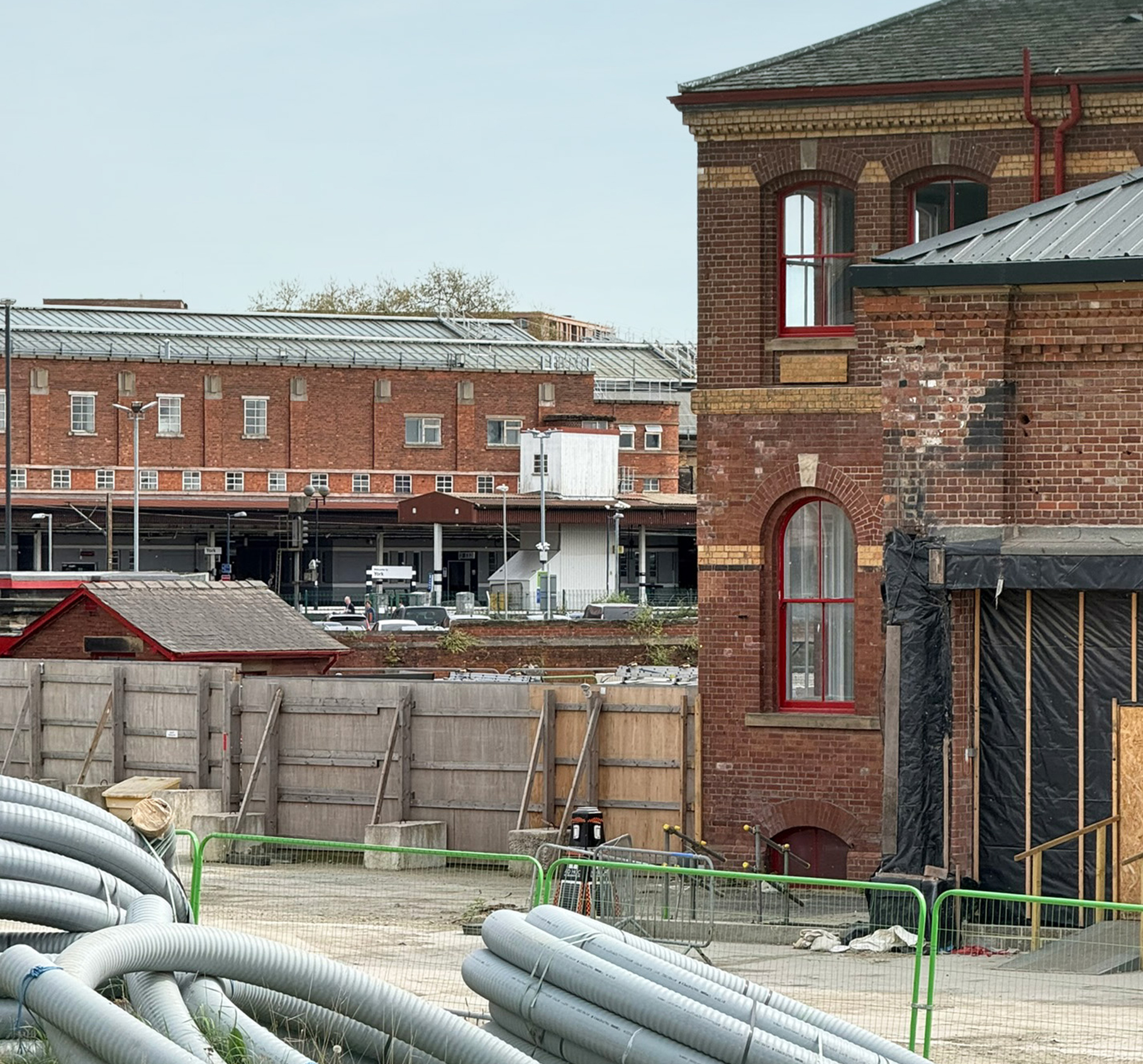 Central Hall on-site, 2025, Repairs to the Bullnose Building and removal of later ancillary structures ahead of groundworks
 -
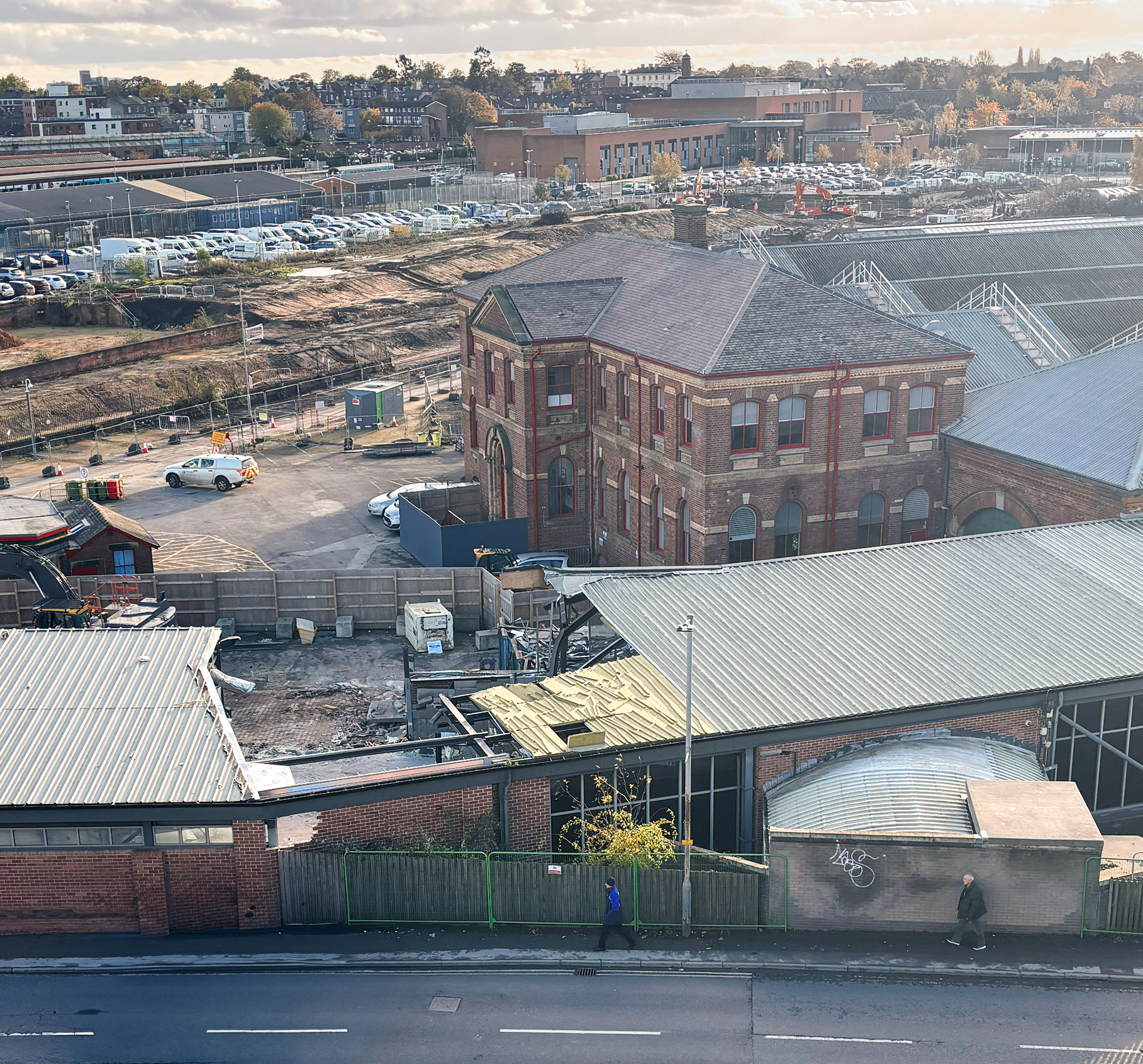 Central Hall on-site, 2025, Repairs to the Bullnose Building and removal of later ancillary structures ahead of groundworks


Project Information
Client: National Railway Museum, Science Museum Group
Location: York
Sector: Culture, Placemaking
Commissioned: 2020
Status: Stage 5
Budget: £16.5 million
GIA: 4500sqm
Team
Structural Engineer: Price & Myers
M&E Engineer: Max Fordham
Selected Press
January 2022, Richard Waite, ‘Feilden Fowles submits plans for new National Railway Museum entrance hall’, Architects’ Journal
March 2020, Richard Waite, ‘Feilden Fowles wins National Railway Museum’s Central Hall contest’, Architects’ Journal
March 2020, ‘Feilden Fowles Wins National Railway Museum Central Hall Design Competition’, Malcom Reading Consultants
Related Projects