 The Garden Classroom is a flexible space at Tate Britain for workshops and events related to horticulture and art, part of the wider Clore Garden designed to reimagine the gallery’s grounds as a new biodiverse landscape for London.
As the first new permanent building on the site since James Stirling’s Clore Gallery, completed in 1987, it has its own unique character while engaging in the unique architectural canon of its neighbours, and the layered and rich material history of Millbank.
The Garden Classroom’s placement is designed to generate a series of functional outdoor yards, turning the constraints of the site into opportunities for outdoor activity. An ancillary structure houses supporting facilities, framing an enclosed back-of-house yard that includes a generous outdoor sink for visitor and volunteer hand-washing, as well as providing water for gardener’s practical uses.
The light-weight, low-carbon timber frame is clad in a tactile surface of limestone, and crowned by a distinctive glazed lantern which can be glimpsed from the newly transformed gardens, as a signifier of the new outdoor learning yard.
Reversing the conventional hierarchy of materials, the Portland stone tiles become an expressive upper shell with an open and accessible base, playfully subverting the rusticated plinth of Tate Lodge, Stirling’s Portland stone grid and Smith’s portico.
The construction embodies an ambitious environmental strategy: light-touch mini-pile foundations protect the roots of a neighbouring Plane tree; passive ventilation, natural insulation, and triple glazing minimise operational energy use; and the careful selection of materials and detailing reduce the embodied impact of the construction.
Working in collaboration with Tom Stuart-Smith, Feilden Fowles won the competition to redesign Tate Britain’s landscape. The Garden Classroom, as a stand-alone pavilion, plays a meaningful role in supporting Tate’s evolving public programme, representing this new era for the museum’s historic grounds.
Project Credits
Client: Tate Britain, in partnership with the RHS
Funder: Clore Duffield Foundation
Landscape Architect: Tom Stuart-Smith Studio
Architect: Feilden Fowles
Structural Engineers: Alan Baxter Ltd
M&E Engineers: Skelly & Couch
Project Management: Ward Williams
Material Specialist: Local Works Studio

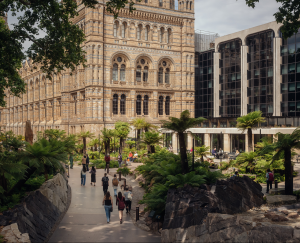 We are thrilled to share that the Urban Nature Project has been shortlisted for the RIBA London Awards 2026.
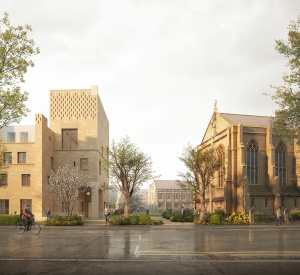 Mansfield College appointed Feilden Fowles Architects for its Estate Transformation Project following an invited competition in 2023. The College has now submitted a planning application to Oxford City Council for this major redevelopment.
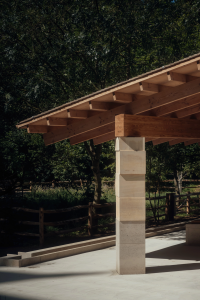 We’re incredibly honoured to receive the prestigious Gold Award at the Wood Awards 2025 for the Urban Nature Project at the Natural History Museum!
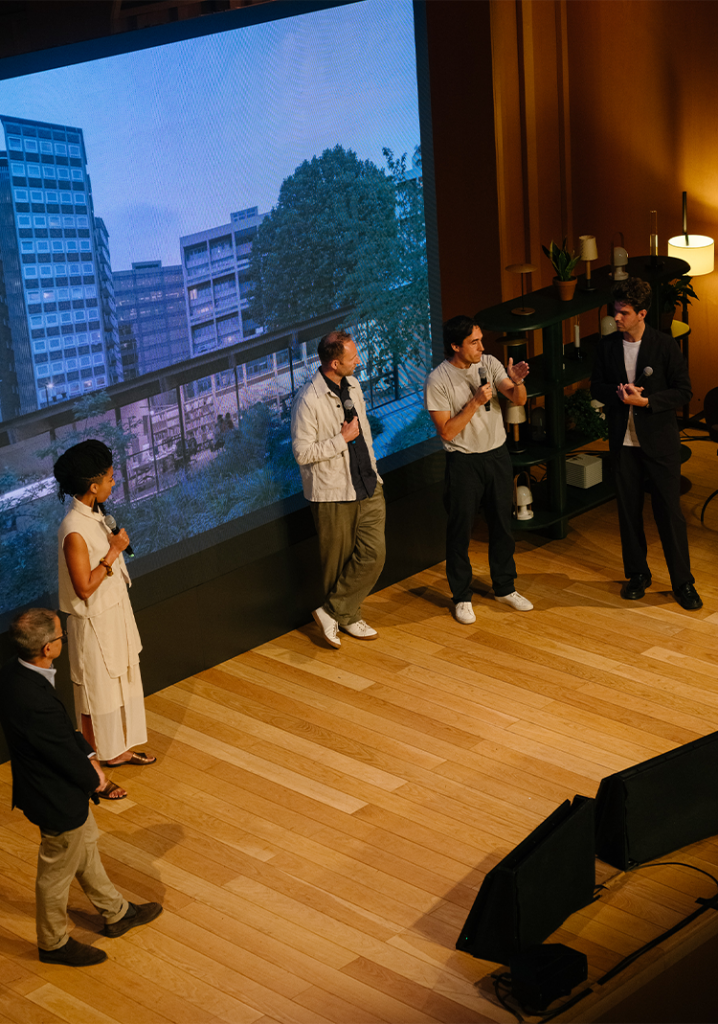 Our Director, Fergus, has been speaking at Monocle’s Quality of Life Conference. This year’s conference brought together international delegates in Barcelona to hear from 20 globally renowned architects, business leaders, entrepreneurs and designers about the forces shaping our lives, cities and businesses.
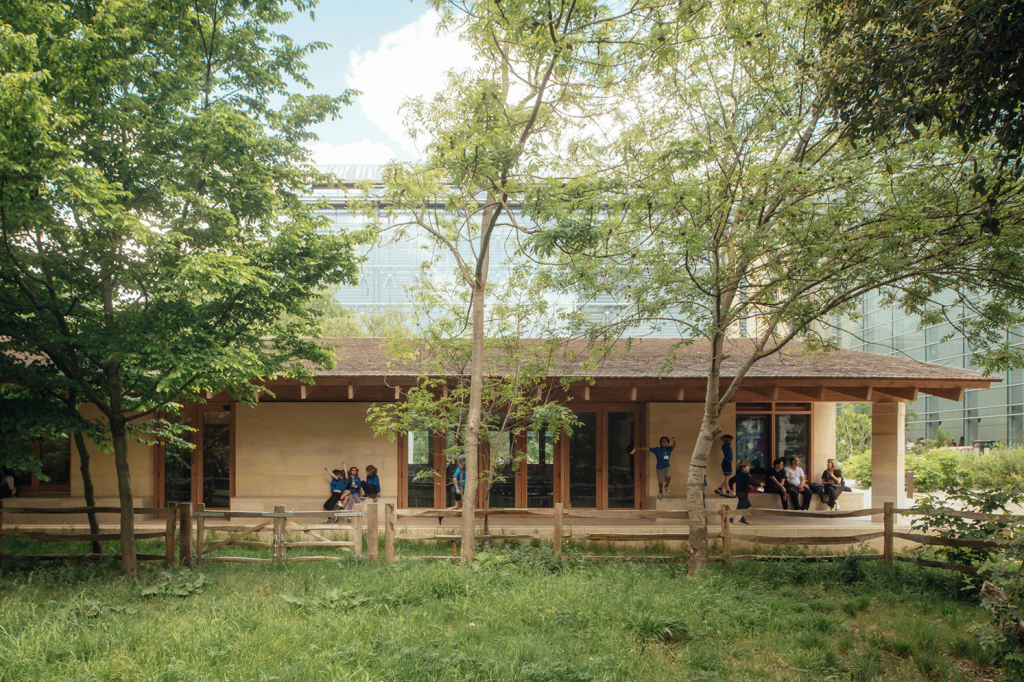 We are delighted that the Urban Nature Project at the Natural History Museum has been shortlisted in the Wood Awards 2025. Feilden Fowles worked alongside Xylotek as specialist timber designer and sub-contractor. The awards recognise, encourage and promote outstanding wood design, craftsmanship and installation. Photographs by Jim Stephenson.
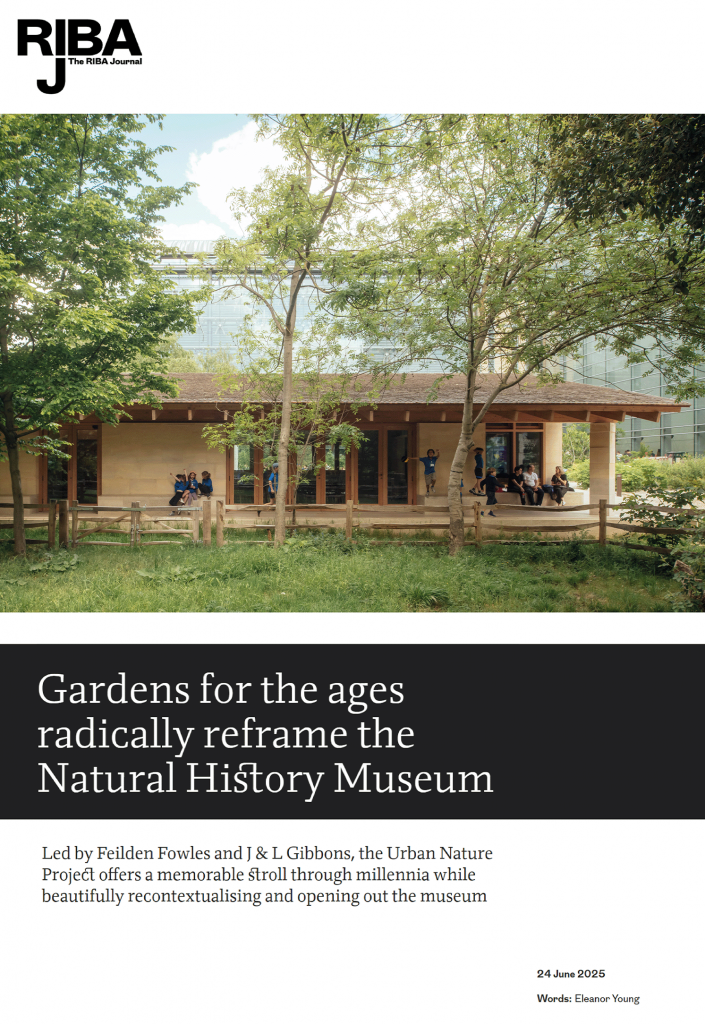 “Feilden Fowles and J&L Gibbons’ scheme brings the fossilised dinosaurs of the museum alive by walking visitors through landscapes spanning millennia.” Eleanor Young’s RIBAJ editorial on the Urban Nature Project at the Natural History Museum. Read it
  “Imagine a national museum where the experience starts before entering the building, with exhibits brought to life, feeling as if they are hands on instead of hands off, and where even queueing can be entertaining. The Natural History Museum’s Urban Nature Project does this and much more, transforming two hectares of external space at the front and side of its historic building from 1860.” Read more
  We are excited to announce that Feilden Fowles are working alongside landscape architects Tom Stuart-Smith to design the new Clore Garden at the Tate Britain.